radhe.premnimithaas2025 - Radhe Prem Ni Mithaas

Buy Authentic Gujarati Sweets and Namkeen Online in India

Best-Mothers-Day-Sweet-Gift-Ideas-and-Tips

Best Mother’s Day Sweet Gift Ideas to Surprise Her This May

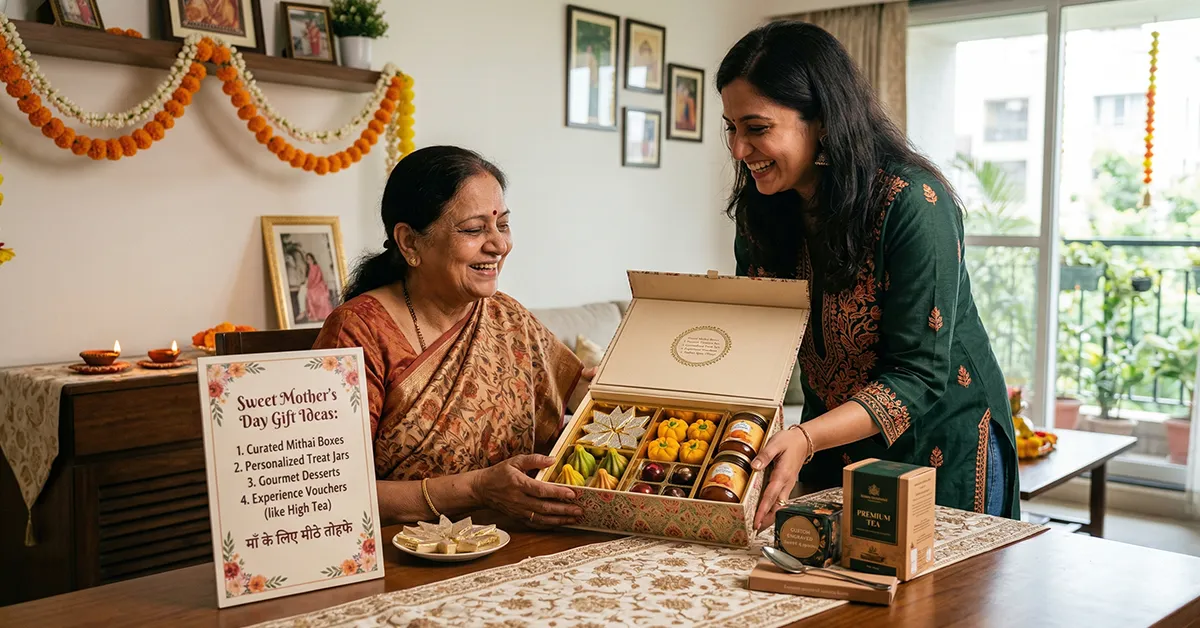
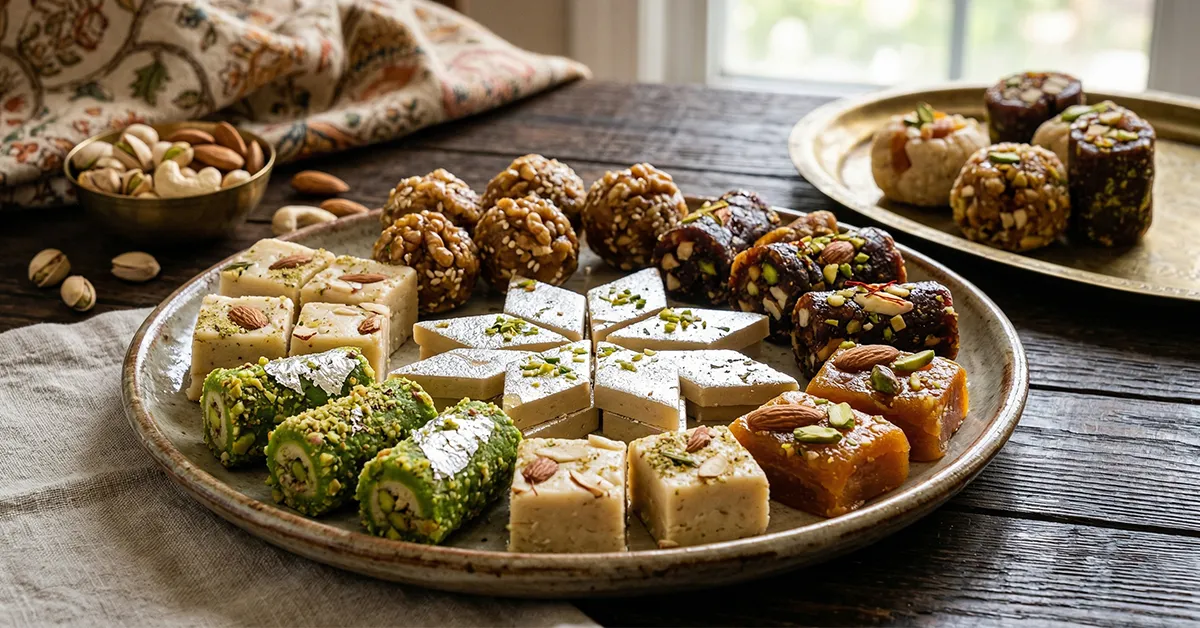
The best Mother’s Day sweet gifts in India are kaju katli, dry fruit ladoos, mixed barfi assortments, kesar mohanthal, and personalised sweet hampers. Each option suits a different type of mother, and all of them can be ordered online from Radhe PremNiMithaas with delivery across India. Mother’s Day celebrated on second Sunday of May month. It means you have time to think a surprise sweet box gift for your mamma. Read on this post to get some ideas about what types of sweet gifts you can give to your mother. Why Are Indian Sweets the Best Gift for Your Mother on Mother’s Day? Indian sweets are shareable, presentation-ready, and carry emotional weight that most gifts cannot match. A box of fresh mithai can be enjoyed over several days, shared at the evening chai table, and arrives in packaging that looks like a proper gift. Quality Indian sweets last 5 to 10 days and bring the mood of an entire household up, not just the person receiving them. The deeper reason is memory. Most Indian mothers connect sweets with celebration and care. A mithai box says someone took the time to choose something specific for her, not just grabbed whatever was convenient. That distinction matters more than the price tag. Unlike flowers that fade within two days or imported chocolates that feel impersonal, a box of Indian mithai is rooted in something familiar. It belongs to her world, her palate, her memory of what celebration tastes like. Which Indian Sweets Make the Best Mother’s Day Gift? The best Indian sweets to gift on Mother’s Day are kaju katli, dry fruit ladoos, mixed barfi boxes, kesar mohanthal, and personalised hampers. Kaju katli suits nearly every taste. Dry fruit ladoos work for health-conscious mothers. Mixed barfi boxes offer variety. Mohanthal is perfect for those who love gram flour sweets. Hampers give you the most room to personalise. Is Kaju Katli a Good Mother’s Day Gift? Yes. Kaju katli is India’s most universally liked premium sweet. It is made from cashews, sugar, and cardamom, with a smooth, silky texture that is not overly sweet. It appeals to mothers across every age group and flavour preference. A silver-foil gift box of fresh kaju katli looks premium and communicates thought without any explanation needed. If you are unsure of her specific favourite, this is your most reliable choice. Shelf life is 7 to 10 days at room temperature, and it ships well across India without losing quality in transit. Are Dry Fruit Ladoos a Good Sweet Gift for Health-Conscious Mothers? Yes. Dry fruit ladoos made from dates, figs, almonds, walnuts, and cashews contain no refined sugar. They are naturally sweetened, high in fibre and healthy fats, and still feel genuinely indulgent. For mothers who are careful about what they eat but still want to celebrate, dry fruit ladoos hit exactly the right note. Shelf life is 10 to 15 days, and they travel well for out-of-city delivery. A small box goes a long way because of how dense and satisfying each ladoo is. What Is a Mixed Barfi Box and Why Does It Work as a Gift? A mixed barfi box brings together several barfi varieties in one gift, typically kaju barfi, pista barfi, coconut barfi, and chocolate barfi. The variety means she will find something she enjoys in every layer. A well-arranged barfi box also looks impressive when unwrapped and photographs well when she shares it with guests. This is the right choice for mothers who enjoy variety over a single flavour. It also works well when you know she will share the box with family. Why Should You Consider Kesar Mohanthal as a Mother’s Day Gift? Kesar mohanthal is a gram flour sweet roasted in pure ghee and flavoured with saffron and cardamom. It has a fudge-like texture and a deep, nutty aroma that no other Indian sweet quite replicates. For mothers who grew up eating Gujarati mithai, mohanthal is not just a sweet. It is a food memory that very few gifts can replicate. Order kesar mohanthal online for a gift that feels deeply personal, especially for mothers with roots in Gujarati food culture. What Goes Into the Best Sweet Hamper for Mother’s Day? The best Mother’s Day sweet hamper combines 2 to 3 sweet varieties with one savoury option, such as sev or mukhwas, all packed in a gift-ready box. Keep the variety focused. Three well-chosen items feel curated and thoughtful. Eight items in a box feel random and impersonal. Build the hamper around what she actually likes. If she prefers nutty sweets, anchor the hamper in kaju katli and dry fruit ladoos. If she loves milk-based mithai, go for peda and barfi. A hamper that reflects her specific taste is always better than a generic assortment. How Do You Choose the Right Sweet Gift for Your Mother? Choose her Mother’s Day sweet gift based on three factors: her taste preference (milky sweets vs. nut-based sweets), her dietary habits, and how the gift is being delivered (in-person vs. pan-India shipping). These three questions narrow the options quickly and keep you from defaulting to something generic. Does Packaging Make a Difference When Gifting Sweets? Yes, significantly. The same sweets in a sealed gift box feel like a deliberate, thoughtful choice. The same sweets in a polythene bag feel like a last-minute purchase. Mothers notice packaging. It signals how much thought went into the gift, not just the sweets themselves. A proper gift box with compartments, a secure lid, and a small card slot communicates care. It also lasts longer as an object. Many mothers keep the box long after the sweets are finished, using it to store small things at home. That kind of lasting presence is part of what makes a gift memorable. When ordering online, look for sellers who use rigid gift boxes, not flexible transit pouches. A good gift box protects the sweets during shipping and arrives looking like something worth unwrapping. How Early Should You Order Mother’s Day

Best-Akshaya-Tritiya-Sweets

Akshaya Tritiya Sweets: Why Gold and Mithai Go Together Every Year

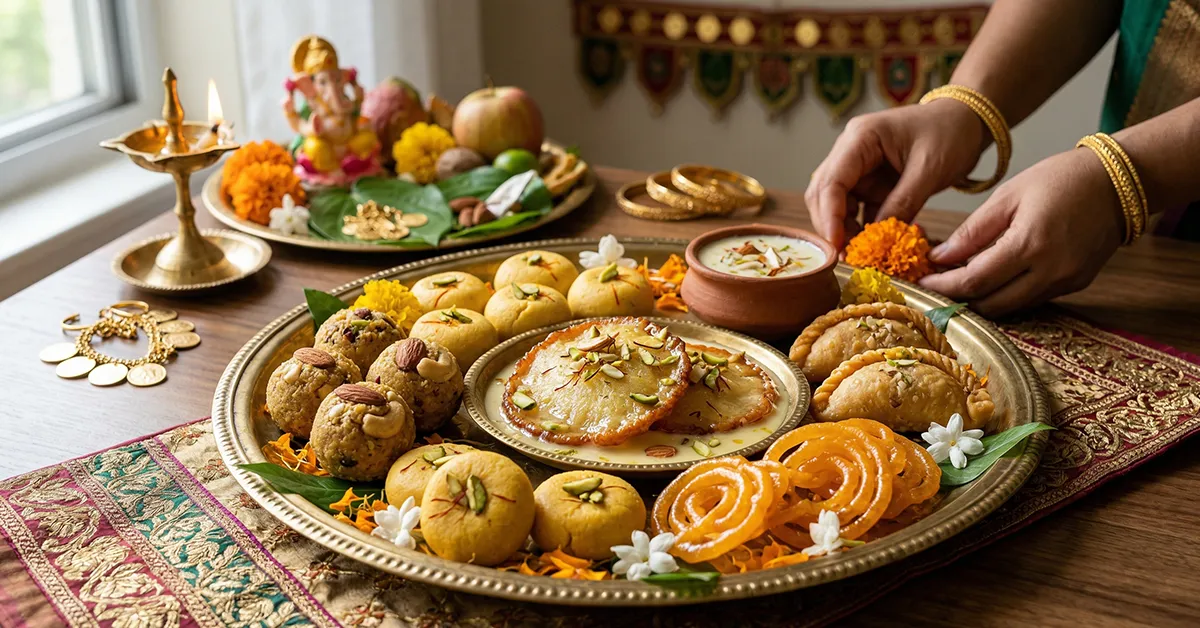
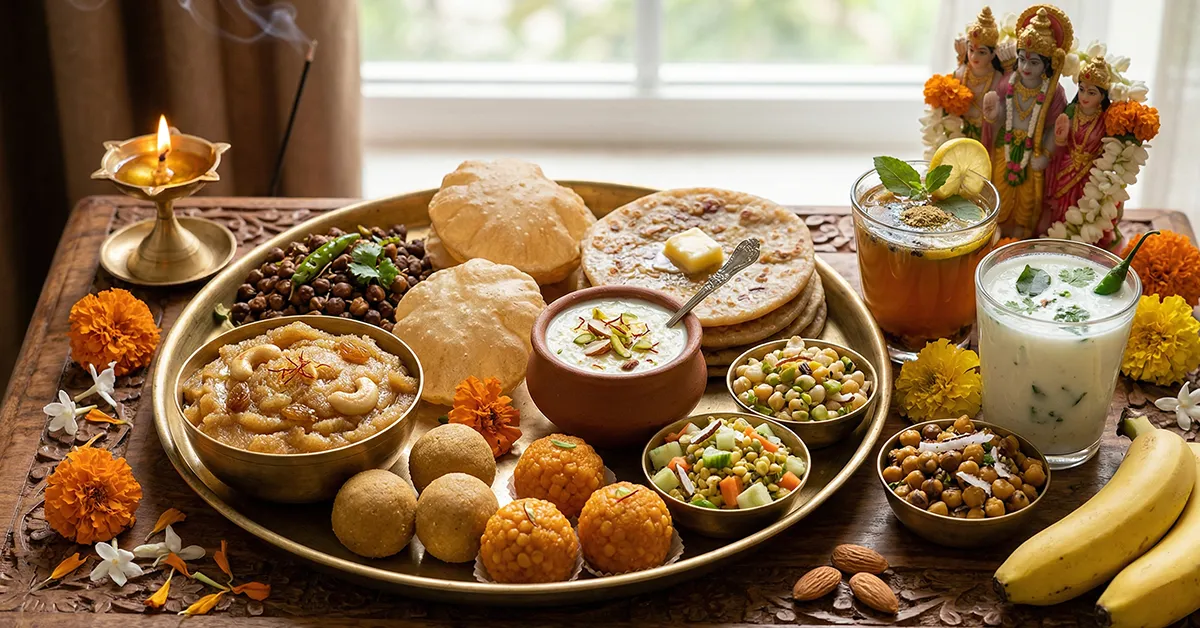
Akshaya Tritiya sweets always enhance the celebration of this pious festival along with gold purchases, temple rituals, and the belief in everlasting prosperity and good fortune. Every year in late April, something quietly amazing happens all over India. Jewelry stores open before the sun comes up. Families dress up in their best clothes to go to temples. People buy gold, even in small amounts, because everyone believes that whatever they get on this day will grow. Akshaya Tritiya is one of the most important days in the Hindu calendar. It is a festival based on the idea of beginnings that never fade. Gold may get all the attention, but mithai is the other important thing to buy that day. It’s the sweet that goes with gold at every Indian celebration. This guide looks at why sweets are such an important part of Akshaya Tritiya and which Indian sweets best capture the spirit of this special day. What is Akshaya Tritiya? Akshaya Tritiya, also called Akha Teej falls on the third day (Tritiya) of the bright half of the month of Vaishakha. “Akshaya” means imperishable or that which never diminishes. The day is considered one of the most auspicious in the Hindu calendar, along with Dussehra and Diwali, because no muhurat is required. The entire day is inherently auspicious for beginning new ventures, making investments, getting married, and performing charitable acts. The festival is widely celebrated across Maharashtra, Gujarat, Rajasthan, and the rest of India. In Gujarat and Rajasthan in particular, Akha Teej is one of the most important occasions of the year. A day when weddings are solemnised without consulting a pandit, when new businesses are launched, and when gold is purchased as an investment in the family’s future prosperity. Why Gold and Mithai Go Together on Akshaya Tritiya? In Indian tradition, any act of acquiring something precious is accompanied by sweetness. When a new home is purchased, when a child is born, when a business deal is sealed, sweets are distributed. The underlying belief is that sweetness invites more sweetness, that beginning something auspicious with mithai sets the tone for what follows. On Akshaya Tritiya, the logic is even more compelling. If the day itself promises that what you begin will only grow, then celebrating that beginning with the sharing of sweets is a natural expression of gratitude and joy. Sweet shops across India report some of their highest single-day sales on Akha Teej as families buying mithai for the puja, to distribute to neighbours, and to gift to relatives. The Best Sweets for Akshaya Tritiya Kaju Katli is one of the best choices for Akshaya Tritiya gifting. Its silver foil surface, diamond shape, and association with prosperity and premium gifting make it the most symbolically appropriate sweet for a day centred on wealth, growth, and new beginnings. A box of freshly made kaju katli — silky, cashew-rich, and not too sweet — is a gift that communicates both thoughtfulness and generosity. Mohanthal holds prominent significance in Gujarat, where Akha Teej is celebrated with great fervour. This rich besan and ghee barfi, flavoured with cardamom and saffron, is made in homes and offered as prasad on this day. Purchasing a box of good mohanthal for Akshaya Tritiya is a deeply rooted Gujarati tradition. Buy Kesar Mohanthal for this very special festive celebration from Radhe Prem Ni Mithaas. Dry Fruit Ladoos made from dates, figs, almonds, and cashews are ideal for Akshaya Tritiya because they represent abundance and nourishment. These naturally sweetened ladoos are both festive and appropriate for those who prefer lighter, less sugar-heavy mithai during the warm April weather. Peda is traditionally offered to deities in temples on auspicious days, and Akshaya Tritiya sees significant peda distribution as prasad across India. Kesar peda with its warm saffron colour and faintly caramelised milk sweetness is especially appropriate for this festival. Panjeeri or Sattu Ladoos, made from roasted flour, ghee, and jaggery, are prepared in some Northern Indian households on Akshaya Tritiya and offered to Goddess Lakshmi along with puja items. These wholesome, traditional sweets carry a deeper cultural significance beyond their flavour. Akshaya Tritiya Gifting: Who to Gift and What to Choose Akshaya Tritiya has become one of India’s most significant gifting occasions. Beyond gold, sweet hampers are increasingly popular as gifts for business partners, clients, and family members. A beautifully presented box of premium Indian sweets alongside a small pack of mukhwas creates a complete festive hamper that feels both thoughtful and culturally rooted. For corporate Akshaya Tritiya gifting, choose sweets with a clean presentation and a longer shelf life. The day falls in late April when temperatures are rising dry sweets and nut-based mithai hold up better than khoya-based ones in warm weather, and they present well in elegant boxes suitable for professional gifting. Check out our range of Corporate Gift Boxes and Hampers perfect for Akshaya Tritiya. A Day for Beginning Well Akshaya Tritiya is, at its heart, an invitation to begin things that are meant to last. A new investment, a new relationship, a new chapter. And in India, every beginning worth celebrating is sweetened because we believe, that joy shared is joy multiplied. This Akshaya Tritiya, celebrate your day with premium sweets from Radhe Prem Ni Mithaas.

Which-Online-Retailers-Offer-Assorted-Sweet-Boxes-in-India-Guide

Which Online Retailers Offer Assorted Sweet Boxes with Nationwide Shipping in India?

Several top Indian sweet brands offer assorted sweet boxes with nationwide shipping, including major names like Haldiram’s, Bikanervala, and our brand, Radhe Prem Ni Mithaas. These retailers provide reliable e-commerce platforms and fast domestic delivery. You get authentic regional desserts brought right to your door. Why Do People Buy Assorted Sweets Online in India? People order assorted sweet boxes online because it saves time and grants access to rare regional specialties. You receive a great variety of flavors in a single package. These boxes work perfectly for festivals, family events, or personal cravings. Top e-commerce shops pack these items carefully. They use vacuum sealing and sturdy outer boxes. This protective packaging keeps delicate sweets intact during long trips. Most online stores process orders within 24 hours. They partner with fast courier services for quick turnarounds. You get your favorite desserts quickly. What Types of Sweet Boxes Ship Safely Across the Country? Dry sweets like Kaju Katli, Baklava, Penda, and Panjari ship safely across India because they contain very low moisture. These specific items naturally resist spoiling. They maintain their perfect texture during long transit times. You should skip ordering milk-based syrups for long-distance shipping. Pick dry items with longer shelf lives instead. Reliable retailers always list the exact shelf life on their product pages. What Things Should You Check Before Ordering Sweets Online? You must verify the shipping policies, ingredient quality, and return terms before placing an online order. Good retailers proudly list their ingredients. They show clear shipping timelines right on the checkout page. Read previous customer reviews about the packaging quality. Broken sweets ruin the excitement of opening a gift box. You want a brand that guarantees safe arrival. Always look for a contact number on the website. You might need quick support regarding your delivery status. How Can Radhe Sweets Deliver Assorted Boxes to Your City? Radhe Sweets ships over 100 varieties of sweets pan-India through our e-commerce platform. We pack and dispatch same-day orders received by 1 PM. Our domestic shipping brings your package to you in 5-6 working days. Our premium packed sweets feature excellent options: These specific items naturally last 25-30 days. Our delivery schedule runs from 10:00 AM to 8:00 PM on all days. In short, Radhe Prem Ni Mithaas is one of the most reliable online retailers which offer assorted sweet boxes with nationwide shipping in India.

Where-to-Find-Premium-Dry-Fruit-Sweets-Online-Guide

Where to Find Premium Dry Fruit Sweets Online?

Finding authentic dry fruit sweets online requires looking for shops that prioritize fresh daily production and use pure ingredients like cow ghee and high-quality nuts. You can buy these premium treats directly from the Radhe PremNiMithaas e-commerce platform, which offers nationwide delivery across India within 5 to 6 working days. We specialize in traditional dry fruit sweets varieties including Anjeer Halwa, Dry Fruit Bites, and Assorted Kaju Sweets, ensuring every order maintains its nutritional value and rich texture. Our online sweet store provides a reliable way to access our heritage recipes for your home celebrations or gifting needs. Which Dry Fruit Sweet Varieties Are Available For Online Order? You can choose from over 100 varieties of sweets when shopping on our website, with a specific focus on nutrient-dense dry fruit collections. Our inventory includes Anjeer Halwa, Assorted Kaju Sweets, and Baklava which combine traditional Gujarati techniques with high-grade ingredients. If you prefer specific textures, we offer: Each product listing provides clear details on ingredients. How Does The Delivery Process Work For Perishable Sweets? We dispatch orders received by 1 PM on the same day to ensure you receive the freshest possible product. Our logistics network covers all of India with a domestic delivery timeline of 5-6 working days. We use robust packaging to protect the delicate structure of items. Since our sweets typically have a shelf life of 25-30 days, this shipping window ensures the items arrive with plenty of time for you to enjoy them at peak quality. Why Is Ingredient Quality Important For Dry Fruit Confections? High-quality dry fruit sweets must use pure ghee and fresh milk to achieve the correct flavor profile and shelf stability without relying on heavy artificial preservatives. We follow preparation standards set by Keshavlal Sukhadia in the 1930s, which dictate that we make every batch fresh daily. Using premium nuts prevents the oily aftertaste often found in mass-produced alternatives. What you are waiting for? You have found the right place to buy dry fruit sweets. Visit our website and order today!

top-Cities-Famous-for-Namkeen-in-India

6 Cities Famous for Namkeen in India

Indore, Bikaner, Surat, Nagpur, Ratlam, and Agra are the most famous cities for namkeen in India. These distinct municipal areas produce thousands of tons of savory snacks every single day, controlling the vast majority of the national domestic supply chain. Let’s get into more details. List of Cities Famous for Namkeen in India 1) Indore Indore is the most famous city for namkeen in India. Located in the state of Madhya Pradesh, Indore produces over 1,000 tons of savory snacks every single day, making it India’s largest traditional namkeen manufacturing hub. Factories here specialize in Laung Sev and Khatta Meetha. The local consumption alone reaches 90 to 100 tons daily, particularly during festive seasons. Why do manufacturers choose Indore? The city offers access to high-quality agricultural products from the Malwa region. Workers use specific regional spices to create distinct flavor profiles. Local factories utilize automated namkeen plants that process 200 kilograms of raw materials per hour. 2) Bikaner Bikaner produces 400 tons of specialized Bhujia daily and holds a Geographical Indication (GI) tag for this specific product. This legal status dictates that authentic Bikaneri Bhujia must originate within the city limits. Manufacturers use ground moth bean flour instead of standard chickpea flour. What drives the snack economy in Bikaner? The arid desert climate naturally reduces moisture, which extends the shelf life of fried foods. The local water supply also contains high salinity, adding a distinct taste to the dough. The organized sector controls 30% of the output through automated packaging machinery. The unorganized sector operates around 850 traditional burners to supply the remaining 70% of the market. 3) Surat Surat controls a massive share of the Gujarati farsan market through the heavy production of Khakhra, Gathiya, and Locho. Snack factories in this region process metric tons of gram flour daily. The city focuses on mild, sweet-and-salty flavor profiles rather than intensely spicy ingredients. Individual large-scale shops generate over 40,000 Indian Rupees in daily sales from fresh Gathiya alone. The local supply chain relies heavily on peanut oil and specialized baking soda mixtures. Manufacturers here also export high volumes of packaged farsan to international markets, utilizing vacuum packaging to preserve freshness. 4) Nagpur Nagpur functions as a central processing node for large national namkeen corporations. The city’s geographic location in the center of India significantly reduces national distribution costs. Facilities here process raw agricultural goods into finished, packaged chips and extruded snacks. Why is logistics critical in Nagpur? Moving finished snacks requires vast warehouse networks and fast transport links. Companies operate massive storage facilities here to supply both northern and southern states. The production facilities rely on three main factors: The production lines focus on standardized flavor profiles to appeal to the broadest possible consumer base. 5) Ratlam Ratlam manufactures a highly specialized, intensely spicy snack called Ratlami Sev, which utilizes a massive concentration of cloves and black pepper. The city supports nearly 2,000 independent backyard operations producing this exact product. The thickness of the Sev holds the heavy spice blend. Most production happens at the local storefront level rather than in massive automated factories. Workers hand-press the spiced dough directly into hot oil using traditional metal sieves. The premium ingredients, including specific cold-pressed oils, push the retail price higher than standard mass-produced snacks. 6) Agra Agra produces thousands of kilograms of Dalmoth every day, completing the national namkeen market overview that starts in hubs like Indore. Manufacturers fry whole lentils and mix them with specific nuts and heavy spices. This product requires precise temperature control during the frying process to keep the lentils intact. Factories package the Dalmoth in airtight tin containers to prevent the fried nuts from turning rancid. The city uses its established tourism infrastructure to drive massive retail sales. Wholesale distributors then ship the metal containers to retail outlets across the country. Do you want to enjoy these local namkeen items without traveling across the country? You can order them directly from Radhe’s Prem Ni Mithaas. Our online namkeen store supplies these traditional savory snacks at the best prices. We ship fresh products directly to your door, anytime and anywhere in India. Buy your favorite namkeen items from our platform today.

How-to-Order-Customized-Mithai-Boxes-for-a-Wedding-Guide

How to Order Customized Mithai Boxes for a Wedding?

In India, weddings are more than just occasions; they are a magnificent symphony of customs, feelings, and above all tastes. Mithai (sweets), one of these flavours, is revered because it represents the sweetness of fresh starts. In today’s modern celebrations, a standard box of sweets is no longer enough. Couples now look for personalization that reflects their style and gratitude. At Radhe Prem Ni Mithaas, we understand that your wedding favors should be as unique as your love story. With a legacy dating back to the 1930s, we combine traditional craftsmanship with modern customization. Here is your ultimate guide on how to order customized mithai boxes for your wedding to create a lasting impression on your guests. Why Choose Customized Mithai Boxes for Your Wedding? Moving away from generic packaging to premium packed sweets offers several benefits that elevate your wedding experience: Step-by-Step Guide to Ordering Your Custom Wedding Boxes 1. Define Your Budget and Quantity Before diving into flavors, determine how many boxes you need for different events, such as the Vivah (wedding), Sangeet, or for sending out with invitations. Knowing your budget per box helps our experts at Radhe suggest the best combinations of premium sweets and packaging. 2. Choose Your Sweet Selection At Radhe Prem Ni Mithaas, we offer over 100 varieties of sweets. For weddings, popular choices include: 3. Select the Packaging Style The box is the first thing your guests will see. We offer a variety of premium packed sweet boxes ranging from: 4. Personalize the Design This is where your vision comes to life. You can customize: 5. Plan for Freshness and Delivery Sweets are perishable, so timing is everything. We pride ourselves on daily production using pure ghee and fresh ingredients. When ordering with Radhe Prem Ni Mithaas, you can schedule your delivery to ensure the sweets reach your doorstep or directly to your guests across India at the peak of their freshness. Tips for a Seamless Gifting Experience Celebrate your Wedding with Radhe Prem Ni Mithaas Whether you want a traditional box of finest sweets or a modern luxury hamper, Radhe Prem Ni Mithaas is dedicated to delivering the richness and joy of true Indian tradition. Ready to design your wedding sweets? Explore our collection at premnimithaas.com or contact us today to discuss your customized wedding requirements. Let us help you share the love!

How Do You Identify High-Quality Sweets

How Do You Identify High-Quality Sweets?

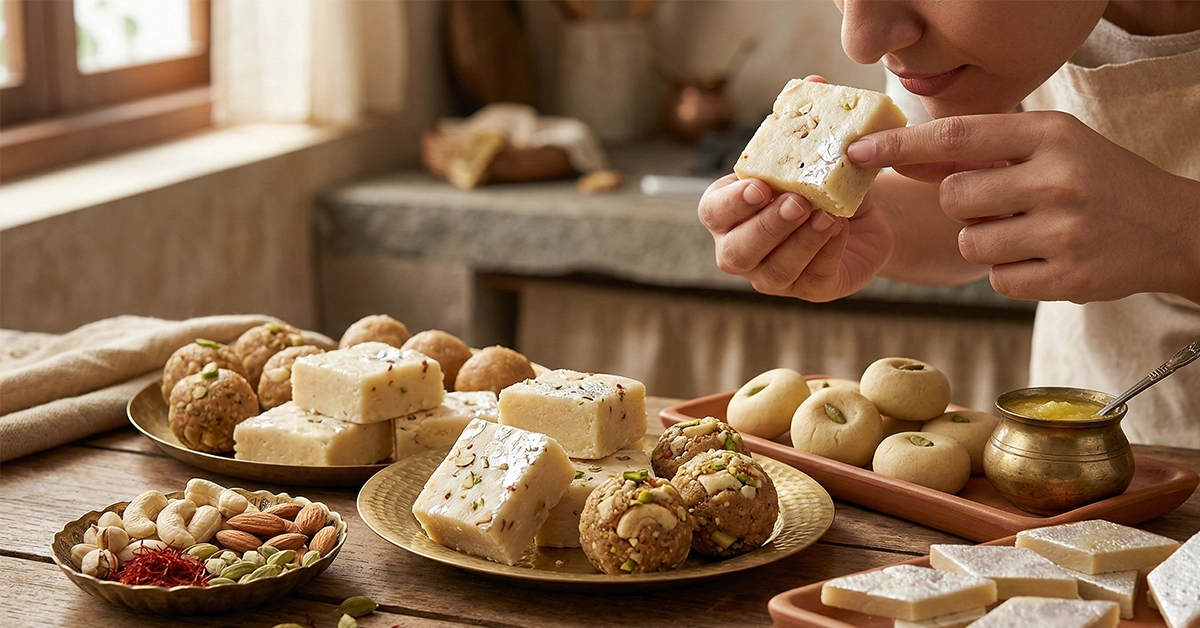
High-quality sweets are identified by checking for pure ingredients, a natural aroma, and a short shelf life. You should look for sweets made with real dairy, pure ghee, and natural sweeteners. Avoid products containing artificial food colors, synthetic flavors, or excessive chemical preservatives. Have you ever bought a box of treats and felt disappointed by the taste? It happens all the time in the food industry. The global confectionery market is worth over 300 billion dollars. Sadly, many commercial products do not meet high standards. You need to know exactly what goes into your food. Recognizing the difference between premium treats and cheap alternatives protects your health. It also ensures you get full value for your money. Let’s look at the hard facts about sweet production. What Ingredients Show True Sweet Quality? Look for items made with 100% pure milk, fresh nuts, and real ghee instead of cheap vegetable oils. True artisanal sweets use natural sugars or raw jaggery rather than high-fructose corn syrup. Reading the nutrition label is your best defense against poor quality. High-quality makers list simple, recognizable items on their packaging. They do not hide behind complex chemical names. Here are 4 ingredients that indicate a premium product: Many commercial brands use palm oil or hydrogenated vegetable oils to cut their production costs. Palm oil alters the food’s physical structure. It leaves a greasy, unpleasant coating in your mouth. Always check the ingredient list for pure, natural fats. How Does Texture Reveal Freshness and Quality? The physical texture of a sweet indicates its freshness and preparation method. High-quality milk-based sweets should break apart cleanly and feel soft. Hard, crumbly, or overly chewy textures often signal stale ingredients or the use of unnatural binding agents. Touch tells you a massive amount about food preparation. Fresh treats have a distinct, soft feel. When you press a fresh milk sweet like a peda or barfi, it yields easily under slight pressure. Stale sweets lose their moisture content over time. They become dry and hard around the outer edges. If a dairy-based sweet stretches like rubber, it likely contains chemical binders or cheap starch fillers. Pure ingredients react naturally to temperature changes. Real butter and pure ghee melt completely at human body temperature. Fake, hydrogenated fats do not melt easily and require more chewing. Why Is a Short Shelf Life a Good Sign? A short shelf life proves a sweet lacks artificial preservatives. Sweets made with fresh milk and pure ingredients typically spoil within 3 to 5 days at room temperature. A product lasting several months usually contains heavy, unnatural chemical preservatives. You might think a long expiration date is a good thing for your pantry. For fresh food, it is the exact opposite. Natural, organic ingredients spoil rapidly when exposed to air and moisture. Real milk solids go bad very quickly. If a box of traditional dairy-based sweets can stay on a counter for 60 days without molding, you should ask serious questions. The manufacturer likely added sodium benzoate or other chemical preservatives to extend that time artificially. Choose products that require constant refrigeration. Buy sweets that have a strict 3-day or 5-day consumption window for the safest, most authentic taste. How Can You Test the Aroma of Authentic Sweets? Authentic sweets give off a mild, natural scent derived from their core ingredients like roasted nuts, cardamom, or pure butter. An overpowering, perfume-like smell usually points to the addition of synthetic chemical flavorings designed to mask low-quality base materials. Smell your food carefully before you take a bite. Your nose can detect fake ingredients faster than your eyes. Natural flavor enhancers like ground cardamom, pure saffron, and real rose water have a very subtle, pleasant scent. Artificial essences smell incredibly sharp and unnatural. If a strawberry sweet smells exactly like cheap bubblegum, it definitely contains synthetic chemical esters. High-quality sweets offer a perfectly balanced aroma that matches the actual physical ingredients. Use these specific testing steps to check your next purchase. Look closely at the ingredients, test the texture, check the expiration date, and smell the product. Doing this guarantees you get the best quality treats every single time.

How to Store Different Types of Sweets to Keep them Fresh

How to Store Different Types of Sweets to Keep them Fresh?

You just bought a box of delicious sweets. The texture is perfect, the aroma is rich, and you want to keep it that way. But most people make a simple mistake. They put that sweet box in the fridge and forget about it. That is the wrong move. Different sweets react differently to cold, air, and moisture. If you treat a delicate milk-based mithai the same way you treat a dry fruit sweet, you will ruin the texture within hours. You need a specific plan for each sweet type. Here is exactly how you can extend the shelf life of your favorite sweets and keep them tasting as fresh as the day you bought them. Why Do Sweets Spoil Faster Than You Expect? The main reasons sweets spoil are moisture content, temperature fluctuations, and exposure to air, which lead to bacterial growth or texture degradation. It comes down to the ingredients. Sweets made with milk or khoya have high moisture content which creates perfect environment for bacteria to grow. On the other hand, sweets made with ghee or dry fruits have low moisture. They don’t spoil quickly, but they can go stale or lose their crunch if exposed to air. Humidity is another silent killer. If you live in a humid area, moisture from the air can seep into dry sweets like crispy Mohanthal or sticky Chikki, making them soggy. Oxygen causes fats (like ghee) to oxidize, leading to a sour or “rancid” smell. You must control these factors to protect your mithai. Why does Correct Mithai Storage Matter for Freshness and Safety? Correct storage slows down bacteria growth, stops bad odour, and keeps ghee, nuts, and sugar from turning rancid. FSSAI notes that many milk-based Indian sweets have a shelf life of only 1–4 days, while some ghee and dry-fruit sweets can go up to 7–30 days when stored right. Wrong storage cuts these numbers sharply.​ Indian kitchens deal with high room temperatures, power cuts, and crowded refrigerators. Sugar syrup can ferment, khoa can sour, and nuts can pick up moisture. Hence it is very important to store sweets correctly to keep them fresh for long time. What Is the Best Way to Store Ghee-Based Sweets? Store ghee-based sweets like Mohanthal and Laddu in airtight containers at room temperature for up to 7-10 days, as refrigeration can harden the ghee and ruin the texture. Ghee acts as a natural preservative. Sweets like Mohanthal, Bundi, and Magaz rely on this fat to stay fresh. When you put them in the fridge, the ghee solidifies. This makes the sweet rock-hard and kills the soft, melt-in-the-mouth feel you love. Keep them in a cool, dry spot away from direct sunlight. A pantry shelf is ideal place to store ghee based mithais. If you must keep them for more than two weeks, you can refrigerate them. However, you must take them out 30 minutes before eating to let the ghee soften again. How Do You Keep Khoya and Milk Sweets Fresh? Milk-based sweets like rasgulla, rasmalai, sandesh, kalakand, penda and burfi must be refrigerated immediately between 2°C to 4°C, as they have a shelf life of only 2 to 4 days at room temperature. These are the most sensitive items in your sweets box. Products like Penda are made from milk solids. Milk spoils fast when left out. Never leave these on the counter for more than a few hours. The sugar acts as a mild preservative, but it cannot stop spoilage forever. You will notice a sour smell or a slimy surface if they go bad. Wrap them in parchment paper before placing them in a container. This prevents them from absorbing smells from other food in your fridge. Can You Store Dry Fruit Sweets at Room Temperature? Yes, dry fruit sweets like Kaju Katri and Anjeer Halwa are best stored at room temperature in airtight containers to prevent them from drying out or becoming chewy. These sweets have very little moisture. Kaju Katri, Anjeer Halwa, and Dry Fruit Bites are dense and packed with natural oils from the nuts. If you leave them open, the air will suck out the remaining moisture, turning them into hard bricks. If you refrigerate them, condensation can form on the surface when you take them out. This moisture makes the sugar sticky. Room temperature is the safest bet for the first week. How Should Syrup-Based Sweets Be Stored? Keep syrup-based sweets like Gulab Jamun submerged in their syrup in the refrigerator if storing for more than 2 days, but consume them at room temperature for the best taste. The syrup is a protective barrier. It keeps the sweet soft. If you drain the syrup and store the balls dry, they will shrivel up. Always use a clean spoon. Introducing bacteria into the syrup causes fermentation. You will see bubbles forming in the syrup if this happens. That means the entire batch is spoiled. Is It Safe to Freeze Indian Sweets? Freezing is safe for ghee-based and dry fruit sweets for up to 3 months, but avoid freezing milk-based or syrup-heavy sweets as the texture often degrades upon thawing. You can freeze Mohanthal or Kaju Katri. Wrap individual pieces in aluminum foil, then place them in a freezer-safe bag. This double layer protects against freezer burn. When you are ready to eat, move them to the fridge for 5 hours, then to the counter. Do not microwave them directly from frozen. Do not freeze items like Penda or Milk Cake. The water inside the milk solids expands when frozen and breaks the structure. When you thaw it, the sweet will separate into a watery, grainy mess. How Does Radhe Prem Ni Mithaas Ensure Freshness? We guarantee freshness by preparing every item daily using traditional recipes and premium ingredients, ensuring a natural shelf life of 25–30 days for most products. You want sweets that taste like they were made in your own kitchen. At Radhe Sweets (Prem Ni Mithaas), we follow a strict “daily fresh preparation”

Most Loved Namkeen Snacks in India

20 Best Namkeen Snacks in India: Must-Try Varieties

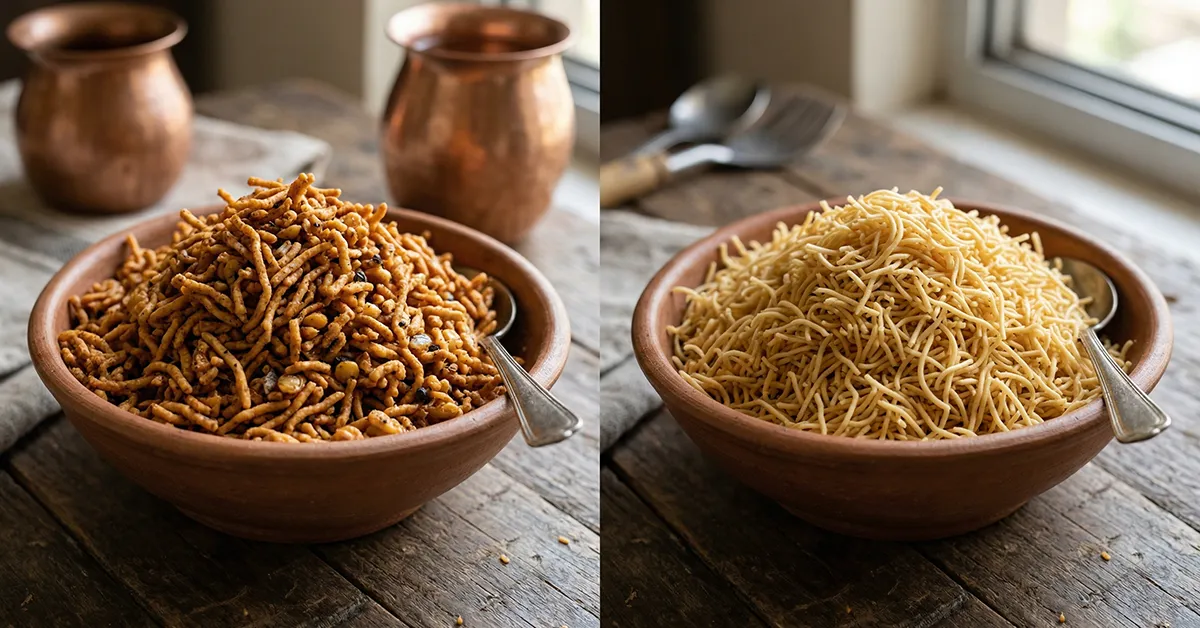
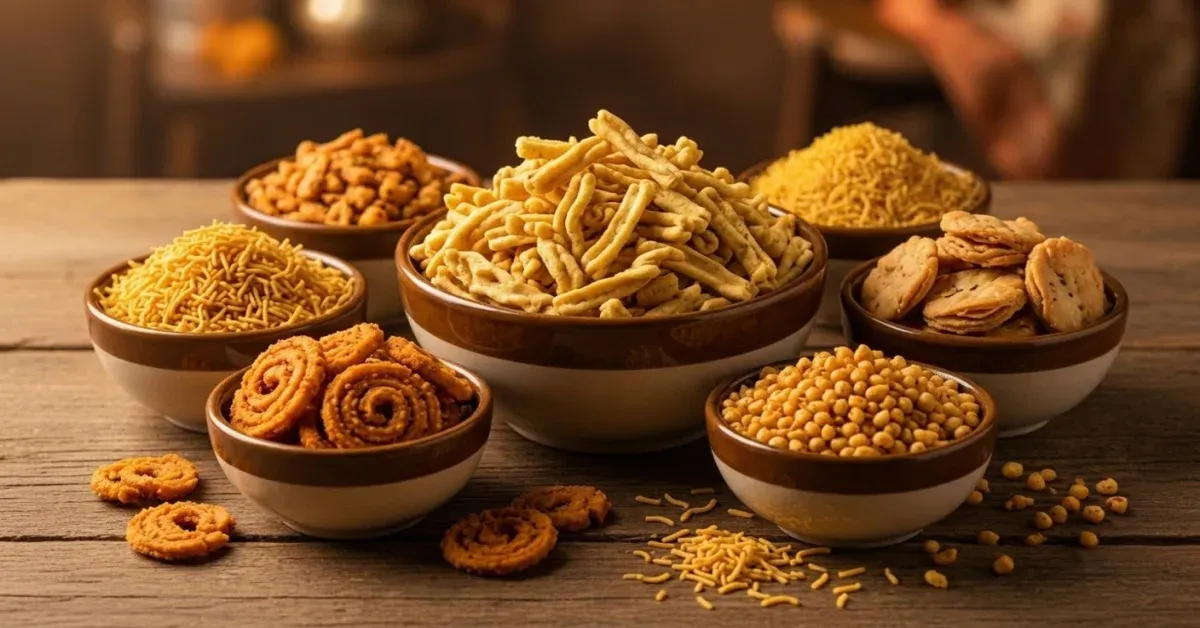
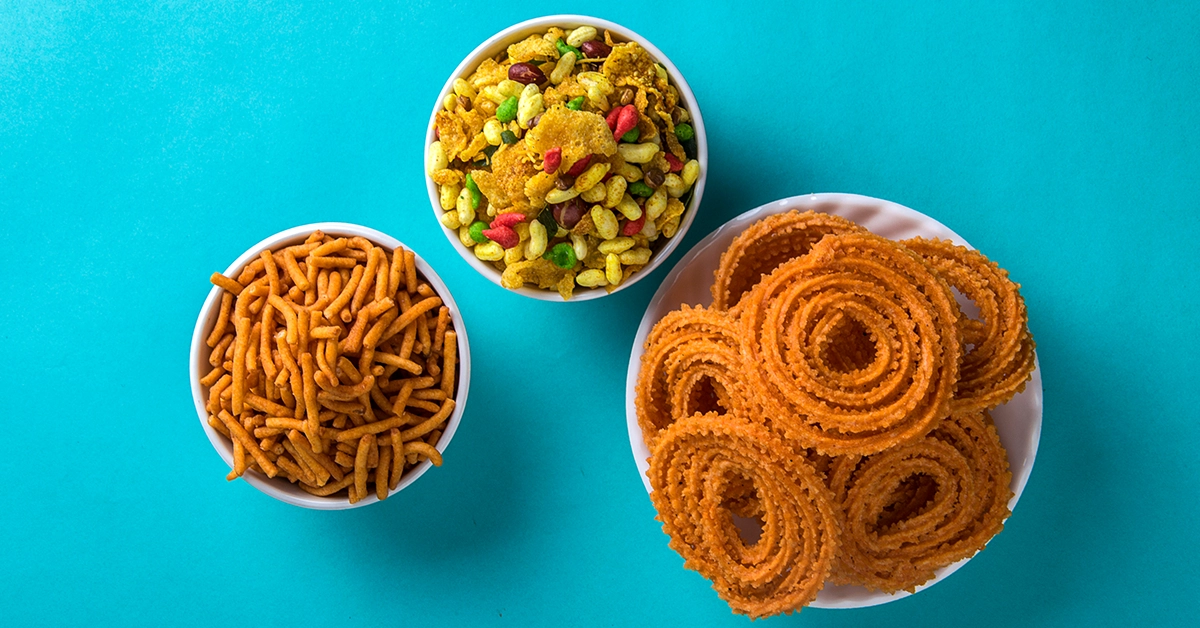
When the afternoon hits and that craving for something crunchy, salty, and spicy kicks in, most Indians reach for namkeen snacks. These savory snacks have been part of Indian food culture for generations served with chai during monsoon afternoons, packed in lunch boxes, gifted during festivals, and grabbed from store shelves during quick shopping runs. But what exactly makes certain namkeen snacks stand out among the thousands available in the market? And which ones do Indians actually love the most? The word namkeen comes from the Hindi word “namak,” which means salt. It’s used to describe savory snack foods that are crunchy, flavorful, and satisfying. According to market research, 68% of Indians prefer savory snacks over sweet ones, and the namkeen segment commands a significant share of the USD 14 billion Indian savory snacks market. In this guide, you’ll discover the list of best namkeen in India, why certain types remain timeless favorites, and what makes them different from each other. What Makes a Namkeen Snack Popular in India? A namkeen snack becomes popular through three main factors: texture (crunchiness), flavor profile (spice level and taste), and affordability.  The best-loved namkeen snacks combine a satisfying crunch with bold spicing that doesn’t compromise on taste, whether served plain or with tea. Indians love namkeen that delivers immediate satisfaction, the kind that makes a sound when you bite into it and leaves a lingering flavor that keeps you reaching for more. Regional preferences also play a role. What’s beloved in North India might differ from South Indian favorites, though some snacks have managed to achieve pan-Indian status. Brand reliability matters too. Many Indians prefer to buy namkeen from established brands like Radhe PremNiMithaas, Haldiram’s, Bikaji, and Bikanervala because they trust the quality and taste consistency. List of Best Namkeen in India: Must-Try Namkeen Snacks Verities India has an incredibly diverse range of Savory snacks and below are some of the most loved namkeen snacks in India: The Classics: Sev & Bhujia These are thin, noodle-like snacks made primarily from gram flour (besan) and seasoned with various spices. Flavorful Mixtures Mixtures combine several elements like sev, nuts, lentils, and cornflakes into a single snack. Lentil & Nut-Based Namkeen These snacks focus on the natural crunch of pulses and nuts. Regional Specialties Healthier / Roasted Options Conclusion Whether you prefer traditional versions from established brands, locally-produced authentic varieties, or experimental flavor combinations, namkeen snacks remain an integral part of Indian food culture connecting generations, regions, and occasions through shared taste experiences.

types of barfi

10 Types of Barfi in India – Must try Varieties

Barfi is one of the best milk-based Indian sweets where milk solids, sugar, and aromatic spices are cooked together until they thicken into a fudgy mixture that melts in your mouth. India offers multiple types of barfi sweet with different bases like besan, kaju, khoya, milk powder, each with unique flavors and textures that vary by region and ingredient choices. Barfi remains a top choice for many because of its fudge-like texture and rich milk base. You will find that these barfi sweets vary significantly from one region to another based on local ingredients. Some people prefer traditional recipes while others look for modern fusion flavors like chocolate or fruit. Choosing the right type of barfi for your occasion depends on your taste preferences and the specific dietary needs of your guests. Don’t understand which type to choose for your celebration? No worries, this guide covers 10 barfi varieties you must try. Let’s dig in. What Differentiates One Barfi Type From Another? What makes barfi varieties different? The main differences come from base ingredients (khoya, milk powder, nuts, flour), flavorings (cardamom, saffron, cocoa, fruits), and cooking methods. Milk solid barfis (mawa) create buttery textures. Flour-based ones turn crumbly. Nut-based versions stay firm and smooth. Besides base, preparation time varies. Traditional barfis need 20-30 minutes of stirring, while modern ice cream versions finish in 15 minutes. Both deliver great taste but serve different occasions and convenience levels. 10 Types of Barfi Available in India 1. Besan Barfi What is besan barfi made of? Besan barfi is made from roasted gram flour (besan), ghee, sugar, and dry fruits like almonds and pistachios. The roasted gram flour gives it an earthy, warm flavor with a distinctive aroma that fills your kitchen instantly. This traditional variety has been made in Indian homes for generations and appears in nearly every sweet shop across the country. The texture is soft and crumbly, completely different from smooth, fudgy versions. During Diwali and Holi, besan barfi sells best. It’s budget-friendly, simple to make at home, and universally loved. 2. Coconut Barfi What is coconut barfi? Coconut barfi (nariyal barfi) uses fresh or desiccated coconut cooked with milk and sugar into a firm, white confection popular in Goa, Karnataka, Tamil Nadu, and Kerala. Coconut itself provides natural sweetness, requiring less added sugar than flour or milk powder barfis. Condensed milk or full-fat milk intensifies creaminess. The white appearance and coconut aroma appeal to both your senses. Coastal regions favor this variety because coconut grows abundantly there. 3. Badam Barfi Badam barfi tastes rich and subtle with finely ground almonds, sugar, and spices like cardamom and saffron. The almond cost makes each piece feel premium compared to cashew or gram flour barfis. The slight nuttiness pairs perfectly with aromatic spices. This variety graces weddings and special occasions where taste and presentation both matter. Almond’s natural oils create a moist, luxurious texture without requiring additional ghee. 4. Pista Barfi Pistachio barfi’s green color comes directly from ground pistachios, not artificial food dyes. The flavor is sophisticated and subtle, getting more interesting with each bite. Unlike many sweets using coloring agents, pista barfi’s hue reflects its premium ingredient quality. Careful cooking preserves both color and flavor. Many sweet shops feature this as a special, high-end item, emphasizing its premium status in the barfi lineup. 5. Chocolate Barfi Chocolate barfi blends traditional Indian milk-based sweet-making with modern cocoa flavors. The most common method uses a double-layer approach: a plain barfi base (from khoya or milk powder) with a chocolate layer on top made from cocoa powder, mawa, and sugar. Some use condensed milk for faster cooking. The chocolate top creates beautiful contrast. Kids and adults both love this fusion. Preparation takes under 30 minutes total. 6. Cream Barfi Cream barfi mixes full-fat cream into the traditional milk powder base, creating an incredibly soft, velvety texture that’s richer than standard versions. Cardamom or kewra essence adds aromatic lift. The cream barfi addition requires less stirring time than traditional milk powder barfis. It works perfectly at upscale gatherings where serving something special matters. 7. Choco Strawberry Barfi Choco strawberry barfi is made by melting strawberry ice cream, mixing with milk powder, cooking for 15 minutes while stirring, then topping with melted chocolate. The pink-and-dark-chocolate appearance looks Instagram-worthy. Total preparation time is 15-20 minutes, making it perfect for unexpected guests. The ice cream method skips traditional lengthy stirring. This modern fusion offers convenience without sacrificing taste or presentation at parties and gatherings. There are other recipes as well to make this particular type of barfi. 8. Mawa Barfi Mawa (khoya) is milk reduced by slow cooking until it becomes thick, solid milk fat. Mawa barfi cooks this ingredient with sugar and ghee until it reaches a fudgy consistency. The texture is buttery and dense, completely different from milk powder barfis. The creamy, indulgent taste means it gets eaten quickly after serving. Traditional sweet shops prepare it fresh daily because it hardens during storage. Mawa’s fat content gives superior richness compared to powder-based versions. 9. Til Barfi Sesame seed barfi (til barfi) pairs sesame seeds with jaggery for natural sweetness. Sesame provides calcium and iron, while jaggery delivers minerals without refined sugar processing. This Jharkhand specialty has a distinctly grainy texture different from smooth varieties. It’s prepared during Makar Sankranti, a winter festival where its warming properties align with seasonal eating traditions. The combination of sesame and jaggery has been used in Indian wellness practices for thousands of years. 10. Rose Barfi (Gulab Barfi) Rose Barfi is a floral-scented sweet that uses rose water and dried rose petals for a cooling effect. It has a beautiful pink color and a delicate aroma that appeals to those who enjoy subtle flavors. You can use Gulkand (rose petal jam) in the center for an extra burst of flavor. How Long Does Barfi Stay Fresh? Most barfi varieties last 4-7 days in airtight containers at room temperature. Chocolate-topped versions last slightly longer because chocolate seals and protects. Mawa-based barfis

kaju sweets varieties

5 Best Fancy Kaju Sweets Varieties to Buy Online in India

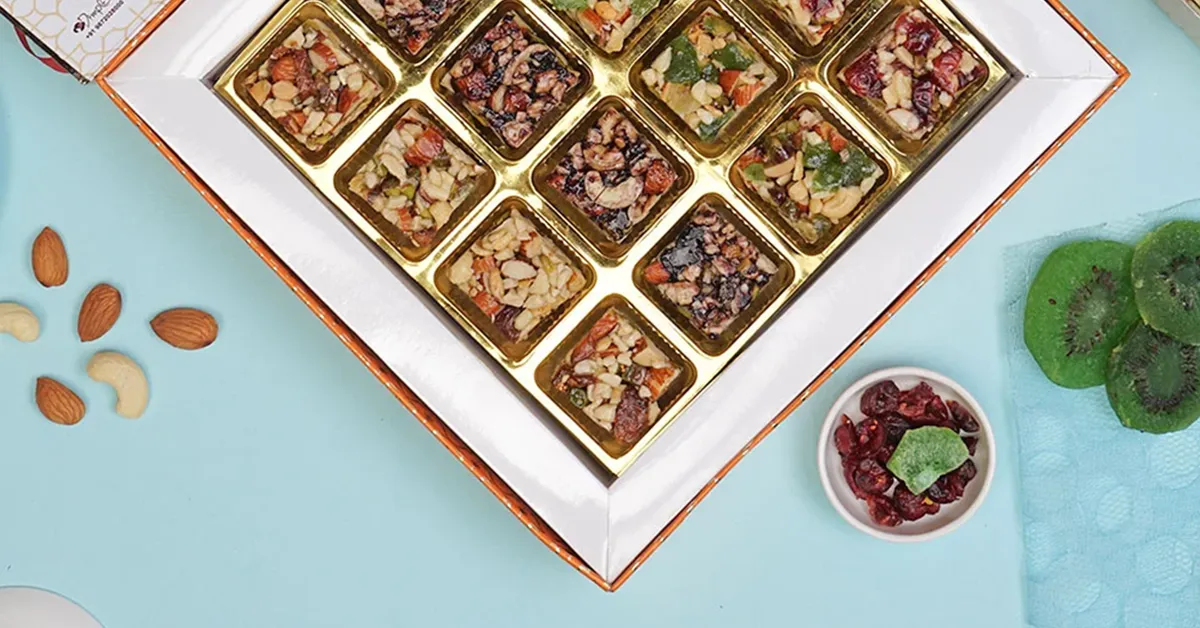
Are you looking for the best Kaju Sweets Varieties to buy online in India? You generally have multiple options available. However, we will discuss the five most popular kaju sweets made using Kaju (Cashews). It includes Kaju Katli, Kesar Kaju Katli, Kaju Roll, Kaju Anjeer Roll, and Kaju Dry Fruit Mix. These fancy varieties differ in their fillings and sweetness levels, making them great for festive gifting or snacking. You want treats that stay fresh during shipping while keeping their rich, creamy taste. Most cashew sweets last about 25 to 30 days without losing quality. At Radhe Prem Ni Mithaas, we use premium cashews and pure ghee to give you that authentic flavor in every piece. Let’s check out best variations of Kaju mithai you can buy online in India. Which 5 Kaju Sweets Varieties are Best to Buy Online in India? The 5 best kaju sweets varieties to buy online in India are: Let’s understand each kaju sweet in detail and why they are the best and fancy Kaju sweets varieties in the market. 1) Kaju Katli Kaju Katli is the most trusted kaju sweet online because it is simple, widely known, and easy to judge on purity. A classic Kaju Katli usually contains cashews, sugar, and sometimes ghee, with no flour or artificial fillers, which makes it perfect for a wide range of customers who love to enjoy simple sweets. When buying Kaju Katli online, look for: Use cases for Kaju Katli: 2) Kesar Kaju Katli Kesar Kaju Katli is ideal for premium gifting because it combines cashews with saffron, which is one of the costliest spices in the world by weight. The addition of saffron gives the mithai a mild golden color, a distinct aroma, and a more festive appeal than regular Kaju Katli. What to check in Kesar Kaju Katli online: This variety works when you want a familiar taste with a visual upgrade and a stronger festive feel. 3) Kaju Roll Kaju Roll is a good online choice because the cylindrical shape, often filled with pista or other nuts, gives a more decorative look compared to flat barfis. Kaju Roll works well for mixed sweet boxes and as a highlight piece in festive assortments. 4) Kaju Anjeer Roll Kaju Anjeer Roll is popular among more health-focused buyers because it often uses figs (anjeer) to add natural sweetness and fiber. Many versions combine cashews, figs, and other nuts to create a dense, rich sweet with visible dry fruit layers. Key details to look for: This variety fits well into gift boxes where you want one sweet that feels slightly “lighter” in terms of refined sugar usage. 5) Kaju Dry Fruit Mix Kaju Dry Fruit Mix or assorted kaju sweet boxes combine multiple shapes and flavors, which is helpful when sending sweets to families or offices with different taste preferences. These boxes may include range of kaju sweets varieties. Key things to evaluate: Conclusion Picking the right Kaju Sweets Varieties depends on your specific occasion and taste. You now see which treats offer the best texture and shelf life for your needs. Order your boxes at least five days before your event to ensure they arrive on time. We use airtight packaging at Radhe PremNiMithaas to keep our sweets fresh. Our team makes every batch using 75 years of family expertise. Ready to taste the difference for yourself? Head over to our shop page to pick your favorite kaju sweet and start your order today.

Oldest Sweet of India

Which is the Oldest Sweet of India?

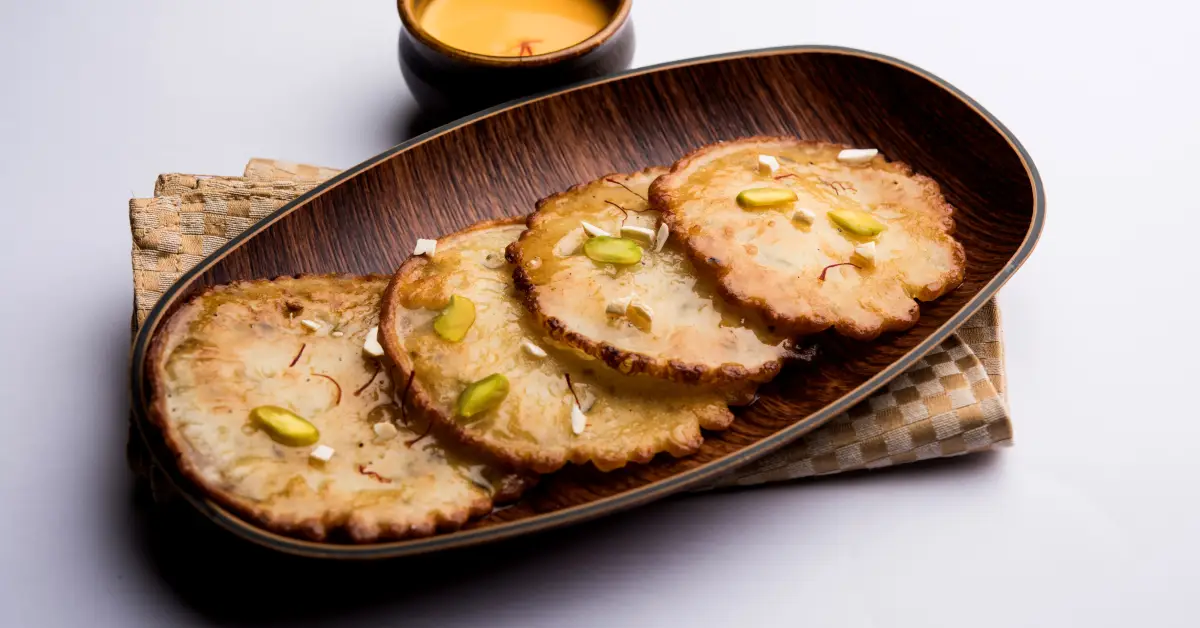
Do you love rich Indian sweets? You might guess that Gulab Jamun or Jalebi holds the title for the oldest dessert. You would be wrong. The true winner dates back over 3,000 years. It appears in the Rigveda, the oldest scripture in the world. This sweet started as a humble barley cake fried in ghee. Today, you see it at Holi and Diwali. It survived ancient empires and changing tastes. The answer is Malpua. Let’s look at the fascinating facts behind this timeless treat. What is the Oldest Sweet of India? The oldest sweet of India is Malpua, historically known as Apupa. You will find the first mention of this dish in the Rigveda from 1500 BCE. Ancient Aryans prepared it as a ritual offering. They valued barley as a primary grain. This makes Malpua older than even sugar itself. It predates the modern version of refined sugar we use today. You are eating a piece of history with every bite. How did the Vedic People Make Apupa? They used simple, earthy ingredients available to early farmers. The original recipe did not use refined flour or sugar syrup. The result was a dense, sweet cake. It provided high energy for hard work. You can still see this basic method in some rural recipes. Why did the Malpua Recipe Change Over Time? The ingredients shifted as agriculture advanced across the subcontinent. Barley gave way to wheat. Honey gave way to sugarcane juice and eventually refined sugar. This shift created the modern Malpua you know. It kept the soul of the dish but improved the taste. Why is Malpua so Crispy Yet Soft? The frying technique creates this unique dual texture. You cannot achieve this by baking. You get a crunch and a burst of syrup in the same mouthful. This contrast keeps people coming back for more. Where Can you Find Malpua Today? You will find it across the entire country under different names. It is not just a North Indian treat. This wide reach proves its popularity. It unites diverse cultures through a shared love for fried dough and sugar.

Indian States Famous for Sweets

List of Indian States Famous for Sweets

Do you ever wonder why Indian desserts taste so different from one region to another and which Indian states famous for sweets? The answer lies in the local culture, climate, and ingredients. A sweet from the North uses heavy fats to fight the cold, while a coastal sweet uses light steam and coconut. This diversity makes it difficult to define a single national dessert. Every state has a unique signature dish that defines its identity. It can be hard to track down authentic flavors if you don’t know where to look. Understanding these regional sweet specialties helps you appreciate the culinary map of India. You might struggle to find these specific regional textures in your local grocery store. If you want the best store to buy sweets online, Radhe PremNiMithaas sources these traditional specialties to bring authentic taste straight to your home. Let’s get into more details. List of Indian States Famous for Sweets Below are some of the most popular states in India popular for their sweet varieties: 1) West Bengal West Bengal is known as the sweet capital of India because it introduced the use of ‘Chenna’ (fresh cottage cheese) to Indian confectionery. Most other states reduce milk until it becomes a solid ‘Khoya’, but Bengali sweet makers curdle fresh milk to separate the cheese. This technique creates the famous spongy texture of Rasgulla. Cooks boil these soft cheese balls in a light sugar syrup rather than frying them in oil. The region is also famous for Sandesh, which blends fresh Chenna with date palm jaggery (Nolen Gur). This specific type of jaggery is only available in winter, making the sweet highly seasonal. The focus on fermentation and fresh cheese makes Bengali sweets lighter and easier to digest than their North Indian counterparts. 2) Rajasthan Rajasthani sweets rely heavily on pure ghee and nuts to provide high energy for a harsh desert climate. The scarcity of water in the region historically forced cooks to use ingredients that have a long shelf life. Ghewar is the primary example of this preservation technique. Sweet makers fry a batter of flour and ghee into a honeycomb disc that can last for days without spoiling. They soak this crispy disc in sugar syrup only when a customer orders it. You will also find Moong Dal Halwa, a dense pudding made from lentils. This dish requires hours of stirring in ghee to prevent the lentils from burning. The result is a calorie-dense dessert that sustained warriors and travelers on long journeys. 3) Karnataka Karnataka is famous because its royal kitchens perfected the precise ratios of flour to fat. The textures here range from hard and crunchy to soft and buttery. Mysore Pak is the defining sweet of this state. The royal chef Kakasura Madappa created it by mixing gram flour, sugar, and ghee. A traditional “soft” Mysore Pak uses more ghee than flour, allowing it to dissolve instantly on the tongue. Dharwad Peda offers a completely different texture profile. Sweet makers in Dharwad roast milk solids continuously until the sugar caramelizes and turns dark brown. They roll the final product in castor sugar to add a crunchy exterior to the soft fudge. 4) Uttar Pradesh Uttar Pradesh dominates the market because its fertile plains support massive dairy production. The abundance of buffalo milk allows locals to produce ‘Khoa’ (condensed milk solids) in large quantities. Mathura Peda utilizes this Khoa as its base ingredient. Cooks mix the condensed milk with cardamom and sugar to create a dense, chewy sweet. The holy city of Mathura produces tons of this offering daily for temple pilgrims. Agra Petha stands out as a rare exception that does not use milk. Makers use Ash Gourd (winter melon), a vegetable that grows abundantly in the riverbeds. They soak the vegetable pieces in lime water to keep them firm before boiling them in sugar syrup. 5) Gujarat Gujarat focuses on the rich combination of Besan (gram flour), ghee, and heavy dairy. The state produces a massive amount of milk, but locals prefer transforming it into yogurt or ghee-roasted treats. Mohanthal is the signature sweet of this region. You should give a try to Kesar Mohanthal. Cooks roast coarse gram flour in pure ghee until the mixture turns a deep golden brown and releases a nutty aroma. They pour hot sugar syrup over the roasted flour and let it set into a grainy, fudge-like block. Shrikhand is another classic that transforms simple curd into a luxury dessert. Makers hang yogurt in a muslin cloth for hours to drain all the water, leaving behind a thick, creamy solid known as ‘Chakka’. They mix this solid with sugar, saffron, and cardamom to create a smooth dish often eaten with fried bread (Puri). Quick Comparison: Indian States and their Popular Sweets State Famous Sweet Main Ingredient Andhra Pradesh Pootharekulu Rice Paper, Sugar, Ghee Arunachal Pradesh Khapse Flour, Amaranth Assam Pitha Rice Flour, Sesame Bihar Thekua Wheat Flour, Jaggery Chhattisgarh Dehrori Rice, Curd, Syrup Goa Bebinca Coconut Milk, Eggs Gujarat Mohanthal Gram Flour (Besan), Ghee Haryana Gohana Jalebi Fermented Batter, Syrup Himachal Pradesh Dhaam (Sweet Rice) Rice, Dry Fruits Jharkhand Anarsa Rice Flour, Sesame Karnataka Mysore Pak Gram Flour, Ghee Kerala Ada Pradhaman Rice Flakes, Coconut Milk Madhya Pradesh Mawa Bati Khoya, Dry Fruits Maharashtra Modak Rice Flour, Coconut Manipur Chak-Hao Kheer Black Rice, Milk Meghalaya Pukhlein Rice Flour, Jaggery Mizoram Koat Pitha Banana, Rice Flour Nagaland Nap Naang Black Rice Pudding Odisha Chhena Poda Roasted Cheese (Chenna) Punjab Pinni Wheat Flour, Ghee Rajasthan Ghewar Flour, Ghee, Syrup Sikkim Sel Roti Fermented Rice Batter Tamil Nadu Adhirasam Rice Flour, Jaggery Telangana Qubani Ka Meetha Apricots, Cream Tripura Awan Bangwi Sticky Rice, Cashews Uttar Pradesh Mathura Peda Condensed Milk (Khoya) Uttarakhand Bal Mithai Roasted Khoya, Sugar Balls West Bengal Rasgulla Chenna (Cheese) Conclusion Indian sweets offer a distinct flavor profile for every preference. You can choose the fermented lightness of Bengali Chenna or the preserved richness of Rajasthani Ghee based on your taste. These recipes survive because families pass down the specific ratios of local ingredients. You

Best Gujarati Khakhra

5 Best Gujarati Khakhra Varieties to Buy Online in India

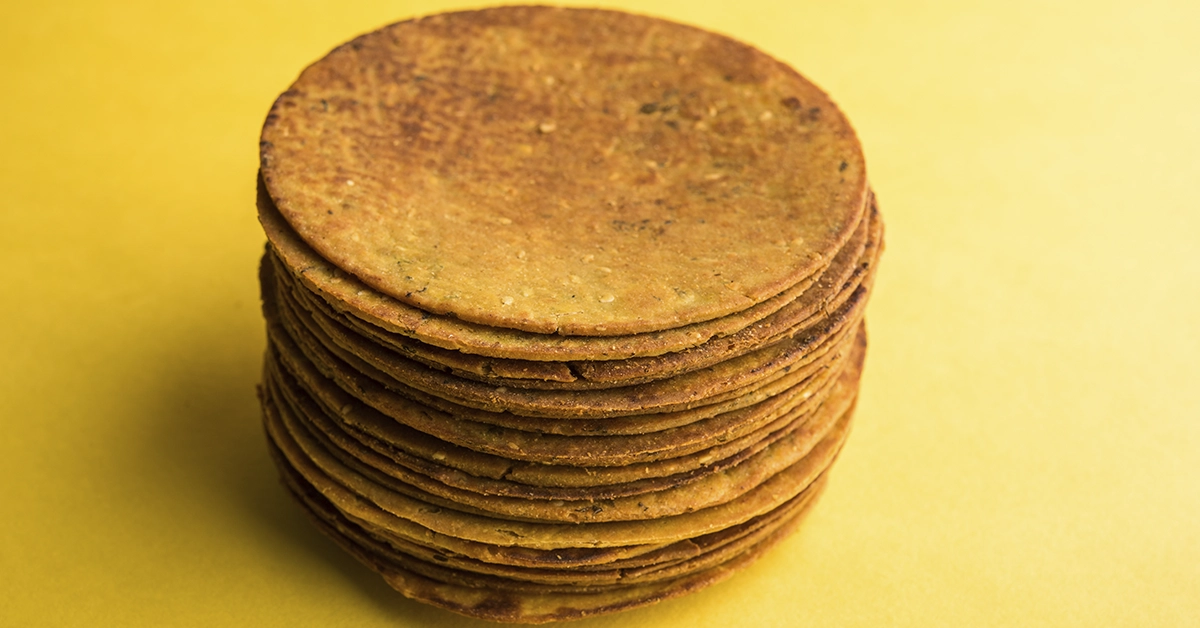
There are many Gujarati khakhra varieties available in the market. Here, we will discuss five of the best options that are loved for their taste, texture, and authentic ingredients. These khakhras are perfect for daily snacking, travel, or serving with tea. Finding the perfect balance between health and taste often feels like a difficult task in today’s fast-paced world. You want a snack that satisfies your cravings without compromising your wellness goals. This is where the Khakhra namkeen comes in, offering a crisp, roasted solution that has been a staple in Gujarati households for generations. Here is a guide to the top Gujarati khakhra varieties you should consider adding to your pantry. What Are the 5 Best Gujarati Khakhra Varieties to Buy Online in India? 1. Methi Khakhra Methi Khakhra stands out as one of the most popular choices for health-conscious individuals. The inclusion of fenugreek leaves adds a distinct, slightly bitter yet earthy flavor that pairs wonderfully with morning tea or coffee. Fenugreek is widely recognized for its dietary benefits, including aiding in blood sugar management and digestion. When you choose a high-quality version, you get a snack that is not only nutritious but also rich in traditional taste. At Radhe PremNiMithaas, we also offer Handmade Methi Khakhra. This variety captures the essence of authentic Gujarati flavors. Our preparation ensures you get a product made with quality ingredients, maintaining the crunch and freshness you expect. 2. Masala Khakhra If you prefer a snack with a bit more kick, Masala Khakhra is the ideal option. This variety incorporates a blend of traditional Indian spices, creating a savory experience that wakes up your palate. It serves as an excellent standalone snack, requiring no chutneys or dips to be enjoyable. The spice mix typically includes chili powder, turmeric, and other regional spices that boost metabolism and flavor. We understand the love for bold tastes, which is why we also offer Handmade Masala Khakhra. Like our other offerings, this product is prepared fresh daily to ensure that every bite delivers the perfect crunch and aroma. 3. Jeera Khakhra Jeera, or Cumin, is a fundamental spice in Indian cooking, known for its ability to soothe the stomach and aid digestion. Jeera Khakhra infuses roasted cumin seeds directly into the dough, releasing a nutty aroma when roasted. This variety is particularly good for those who want a mild yet flavorful snack that is light on the stomach. The simple combination of wheat and cumin makes it a versatile base for toppings like chopped onions or tomatoes. Our Jeera Khakhra is crafted to offer this classic taste profile. We maintain a strict commitment to using pure ingredients, ensuring that the natural flavor of the cumin comes out in every piece. 4. Plain (Sada) Khakhra Plain or Sada Khakhra is the most basic form of this roasted flatbread, usually containing just wheat flour, oil, and salt. Its neutral flavor profile makes it the perfect canvas for experimentation. You can top it with salsa, cheese, or even jam for a fusion snack. While it lacks the added spices of other varieties, its simplicity is its strength. It is an excellent choice for children or those on strict diets who need to control their spice intake. This variety focuses purely on the quality of the wheat and the roasting process. 5. Multigrain Khakhra For those looking to maximize protein intake, Mung or Multigrain Khakhra is a growing category in the online market. These varieties often mix wheat flour with mung bean flour or other grains like bajra (millet) to increase the nutritional value. They offer a different texture and a nuttier flavor profile compared to standard wheat Khakhra. This type of Khakhra is particularly filling, making it a smart option for mid-meal hunger pangs. It aligns well with modern dietary trends that emphasize diverse grain consumption for better gut health. Besides these, you may also find Gujarati khakhra varieties in different flavors like pani puri, pav bhaji, peri-peri, pizza, garlic, and much more. Conclusion Choosing the right Gujarati Khakhra adds a healthy and delicious dimension to your daily snacking routine. Whether you crave the bitterness of Methi, the heat of Masala, or the earthiness of Jeera, there is a variety to suit every palate. By selecting authentic producers who value fresh ingredients and traditional methods, you ensure that you are not just eating a snack, but experiencing a slice of Gujarat’s culinary heritage.

Best Mouth Freshener Mukhwas for After Food in India

12 Best After Food Mouth Freshener Mukhwas in India

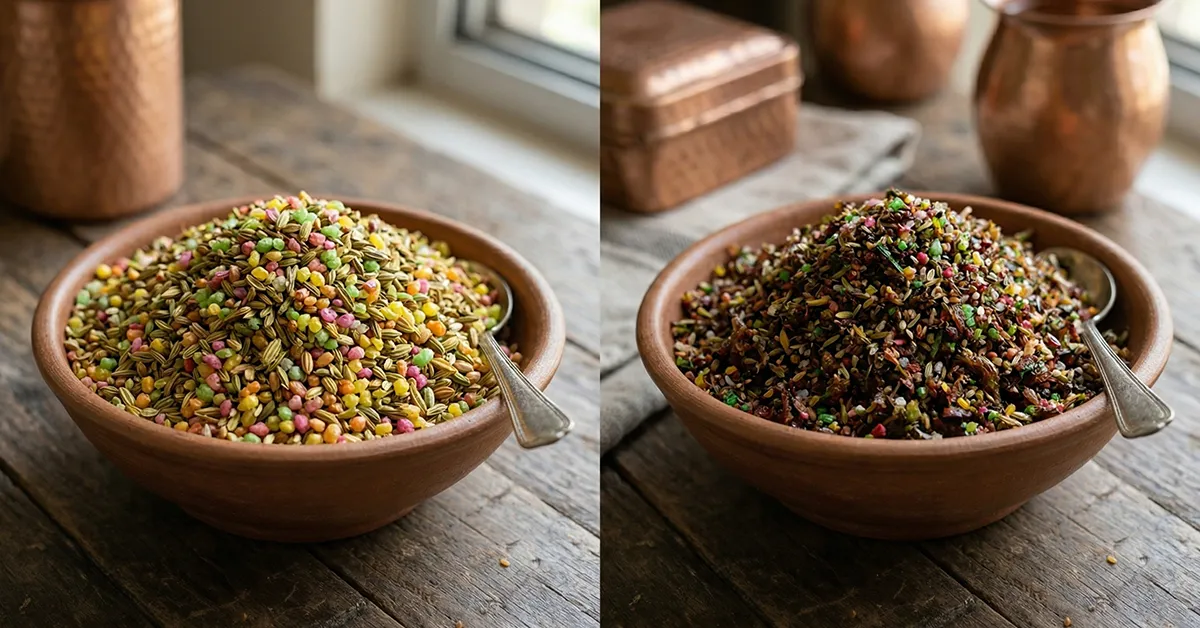
Here, we share a list of the best mouth freshener mukhwas you can buy online in India. These mouth fresheners are ideal to serve after meals, helping freshen breath naturally while supporting digestion. They are commonly offered to guests for their pleasant taste, aroma, and traditional digestive benefits. A satisfying Indian meal never truly ends until you reach for that colorful jar of mukhwas. This age-old tradition does more than just freshen your breath after spicy curries or rich gravies. Chewing these aromatic seeds aids digestion and settles your stomach naturally. With so many varieties available today, picking the right blend can feel confusing. You might wonder which one suits your taste or offers the best health benefits. Here is a simple guide to the 12 best mouth fresheners mukhwas you must try. List of 12 Best Mouth Freshener Mukhwas From sweet and floral to savory and salty, here are the top after food mouth freshener mukhwas varieties you should try. 1. Roasted Fennel Seeds (Variyali) Simple roasted fennel seeds remain the highly consumed mouth freshener mukhwas in India. You will find this variety in almost every Indian household and restaurant. Roasting the fennel seeds releases essential oils that boost digestion and reduce bloating instantly. The subtle crunch and mild sweetness make it perfect for daily consumption. It cleanses the palate effectively without overpowering your senses. Buy Roasted Fennel Seeds Online on Radhe PremNiMithaas. 2. Dhana Dal (Roasted Coriander Seeds) This crunchy delight offers a salty and nutty flavor profile that is highly addictive. You make it by roasting split coriander seeds with a pinch of salt. It serves as an excellent digestive aid and helps combat acidity after heavy meals. Many people love the satisfying crispness it adds to their post-meal ritual. It contains high fiber which further supports your gut health. Buy Dhana Dal online on Radhe PremNiMithaas. Nationwide delivery within 3 to 5 days. 3. Sweet Calcutta Paan Mukhwas This variety captures the iconic taste of Meetha Paan without the messy leaf. It combines gulkand, dry dates, coconut flakes, and sweet fennel seeds. You get that burst of refreshing mint and rose flavors in every spoonful. It serves as a fantastic alternative for those who love paan but want a shelf-stable option. The cooling effect makes it ideal for beating the summer heat. 4. Alsi (Flaxseed) Health-conscious folks often prefer this nutrient-dense option over sugary alternatives. Roasted Alsi provide a rich source of Omega-3 fatty acids and fiber. You usually find them mixed with lemon juice and salt for a tangy kick. This blend helps manage cholesterol levels while keeping your digestion on track. It proves that healthy habits can also taste delicious. 5. Rajwadi Mukhwas This royal blend brings a touch of luxury to your dining table. It features a premium mix of sweet fennel, silver-coated cardamom, and dates. You often serve this colorful mixture to guests during weddings or special festivals. The rich ingredients offer a complex flavor that lingers pleasantly. It acts as both a decorative treat and a functional digestive. 6. Gulkand Mukhwas Rose lovers will find this sticky, sweet mixture absolutely irresistible. The primary ingredient is Gulkand (rose petal jam) mixed with aniseed and menthol. It acts as a natural coolant for the body and reduces stomach heat. You can enjoy it as a sweet treat that doubles as a mouth freshener. Its floral aroma instantly neutralizes strong food odors like garlic or onion. 7. Sesame (Til) and Gotli This traditional Gujarati specialty utilizes every part of the mango, including the seed kernel. You mix roasted sesame seeds with dried mango seed fragments for a savory crunch. It aids digestion and provides a good dose of calcium and iron. Buy tal gotli mukhwas online on Radhe PremNiMithaas. 8. Ajwain (Carom Seed) Heavy meals often lead to gas or heaviness, but this mix solves that. Roasted ajwain seeds combined with lemon and black salt work wonders for digestion. You typically consume only a small pinch due to its strong, pungent flavor. It acts fast to relieve stomach discomfort and acidity. Keep this handy if you love indulging in rich, oily foods. 9. Dry Fruit Mukhwas This premium option combines health with indulgence using chopped nuts and seeds. You get almonds, cashews, and dried fruits mixed with aromatic spices. It provides an energy boost along with the usual digestive benefits. The rich texture makes it a popular gift item during Diwali or weddings. It turns a simple habit into a wholesome snacking experience. 10. Sweet Awla (Candied Indian Gooseberry) Sweet Awla combines the immense immunity-boosting power of Vitamin C with a pleasant, candy-like taste. You get the digestive benefits of gooseberry without the intense sourness usually associated with the raw fruit. Chewing on Sweet Awla stimulates digestive juices and helps reduce acidity almost immediately and improves metabolism naturally. This option proves that healthy habits can also taste absolutely delicious. 11. Imli Laddu (Tamarind Balls) Tangy lovers will find these bite-sized treats absolutely irresistible. Imli Laddu mixes ripe tamarind pulp with jaggery and spices to create a sweet and sour explosion. You consume it to stimulate digestive enzymes and settle nausea or fullness. It brings back childhood memories of buying sour treats outside school gates. The natural tartness of tamarind is excellent for cutting through the heaviness of a fatty meal, making it a favorite Mouth Freshener Mukhwas in India. 12. Jeera Churan Goli Heavy meals often lead to gas or heaviness, but these tangy balls solve that problem instantly. Jeera Churan Goli is a savory, spiced candy made with cumin powder, black salt, and dry mango powder. It is incredibly effective for gas relief and digestion, offering a savory alternative to sweet mouth fresheners. The savory and sour flavor profile cuts through the richness of oily foods. It acts as a fun, tasty medicine that adults and kids both enjoy. In brief, it is very important to choose the right mouth freshener mukhwas as it can turn a simple meal into a satisfying

types of sweets

What are Common Types of Sweets?

Here, we will discuss most common types of sweets in detail. Sweets are a core part of celebrations, festivals, and everyday happiness for millions of people. Whether you are shopping traditional sweets for Diwali, a wedding, or simply treating yourself, understanding what’s available helps you make the right choice. Traditional Indian confectionery offers a vast array of choices, ranging from soft milk-based delicacies to crunchy, nut-filled treats. These sweets usually fall into categories based on their primary ingredients, such as dairy, nuts, or various flours. Understanding these common types of sweets helps you choose the right flavor profile for your palate, whether you prefer the richness of pure ghee or the subtle sweetness of fresh milk. Let’s get into more details. 7 Common Types of Sweets There are 7 primary sweet categories you’ll find in markets today. Each one offers different taste experiences, textures, and ingredients. Understanding these varieties makes shopping easier and helps you buy sweets online for any occasion. 1) Milk-based Sweets Milk-based sweets are the most common variety found in India, often prepared by reducing milk into solids or curdling it to create fresh cheese. Gulab Jamun remains a top choice, consisting of deep-fried milk-solid balls soaked in aromatic sugar syrup. Another favorite is Rasgulla, which features soft, spongy balls of chhena (cottage cheese) cooked in light syrup. If you enjoy a creamier texture, Rasmalai offers these same cheese patties served in thickened, spiced milk. For those who prefer a denser fudge-like consistency, Peda and Barfi are staple options made from condensed milk or khoya. 2) Nut-Based Sweets Nut-based sweets are often considered premium options due to their rich ingredients and longer shelf life. Most common ingredients are cashews, almonds, peanuts, or other nuts for their main structure. Kaju Katli is the most recognizable in this category, made from a smooth paste of cashews and sugar, typically cut into diamond shapes. You might also find variations like Anjeer Halwa or Dry Fruit Bites that use figs and assorted nuts for a more textured experience. These are popular for gifting during festivals because they do not require immediate refrigeration like fresh milk sweets. 3) Flour-based Sweets Flour-based sweets provide a different sensory experience, ranging from the crumbly texture of Ladoo to the syrupy crunch of Jalebi. These types of sweets mainly made from gram flour, maida, semolina, or rice flour. Besan Ladoo, made from roasted gram flour and ghee, is a classic choice for family gatherings. Soan Papdi is made from rice flour and maida combined with jaggery and ghee, creating thin, flaky layers that practically melt on your tongue. In Western India, Mohanthal stands out as a traditional Gujarati fudge made from gram flour, ghee, and sugar, often flavored with cardamom. If you are looking for something with a unique shape, Jalebi offers fermented batter deep-fried into spirals and soaked in syrup for a crispy yet juicy bite. 4) Baked Sweets Baked sweets include cakes, cookies, brownies, muffins, pies, tarts, pastries, cheesecakes, and sizzling brownies. These sweets are made by mixing ingredients and baking them in an oven until golden. Cakes are the most popular baked sweet, ranging from simple vanilla to elaborate chocolate or fruit variations. Cookies offer a quick, bite-sized treat that stays fresh for days. Brownies deliver that rich, fudgy texture people crave. Muffins are perfect for breakfast or snacking, often filled with blueberries, chocolate chips, or nuts. Pastries and tarts feature flaky crusts with sweet fillings, while cheesecakes provide a creamy, indulgent option that’s slightly less sweet than other baked goods. 5) Fried Sweets: The Golden Classics Fried sweets are traditional favorites that remain popular across generations. Jalebi stands out as the most recognized fried sweet. These bright spirals are made by piping fermented batter into hot oil, then soaking them in sugar syrup. They’re crispy on the outside and syrupy inside, creating that signature texture everyone loves. Gulab Jamun is the second most popular fried sweet. These soft, golden balls are made from khoya or milk powder, fried until crispy, then soaked in fragrant sugar syrup with cardamom and rose water. Donuts offer a Western option within this category, featuring a light, airy texture. Malpua is another traditional choice, made from flour batter and served with rabri (thickened milk), creating a perfect sweet pairing. Amriti rounds out this group, offering a unique flavor profile that varies by region. 6) Frozen Desserts Frozen desserts include ice cream, gelato, sorbet, sherbet, kulfi, milkshakes, and granitas. Ice cream remains the most popular frozen sweet choice worldwide. Gelato offers a denser, creamier option that melts slowly on your tongue. Sorbet provides a dairy-free alternative, made from fruit juice and sugar, perfect for those avoiding milk products. Kulfi is the traditional Indian frozen dessert, made by slowly boiling milk until reduced, then freezing it in cone-shaped molds. Unlike ice cream, kulfi isn’t churned, so it has a denser texture and slower melting rate. Milkshakes combine milk with ice cream and flavorings for a drinkable sweet experience. Granitas are partially frozen desserts with a smooth, icy texture. 7) Puddings and Custards Puddings and custards offer smooth, creamy textures that melt in your mouth. Kheer is a rice pudding made by cooking rice in milk with sugar, then topping it with nuts and dry fruits. Phirni is similar but made from ground rice, creating an even smoother consistency. Rabri is thickened milk reduced on low heat for hours, resulting in a dense, rich dessert. Shrikhand is a yogurt-based sweet from Maharashtra, flavored with saffron, cardamom, and nuts. Custards are egg-based creams cooked until thick, serving as a base for many desserts. Mousse is an airy, whipped cream-based dessert that’s light yet indulgent. Gelatin desserts provide a jiggly, sweet treat that appeals to both kids and adults. 8) Fruit and Vegetable-Based Sweets Fruit and vegetable-based sweets use fresh produce as their main ingredient. Gajar Ka Halwa (carrot halwa) is made by grating carrots and cooking them slowly with milk, ghee, and sugar until thick. Lauki Halwa uses bottle gourd

How to Find Gift Boxes of Assorted Mithai Online

How to Find Gift Boxes of Assorted Mithai Online?

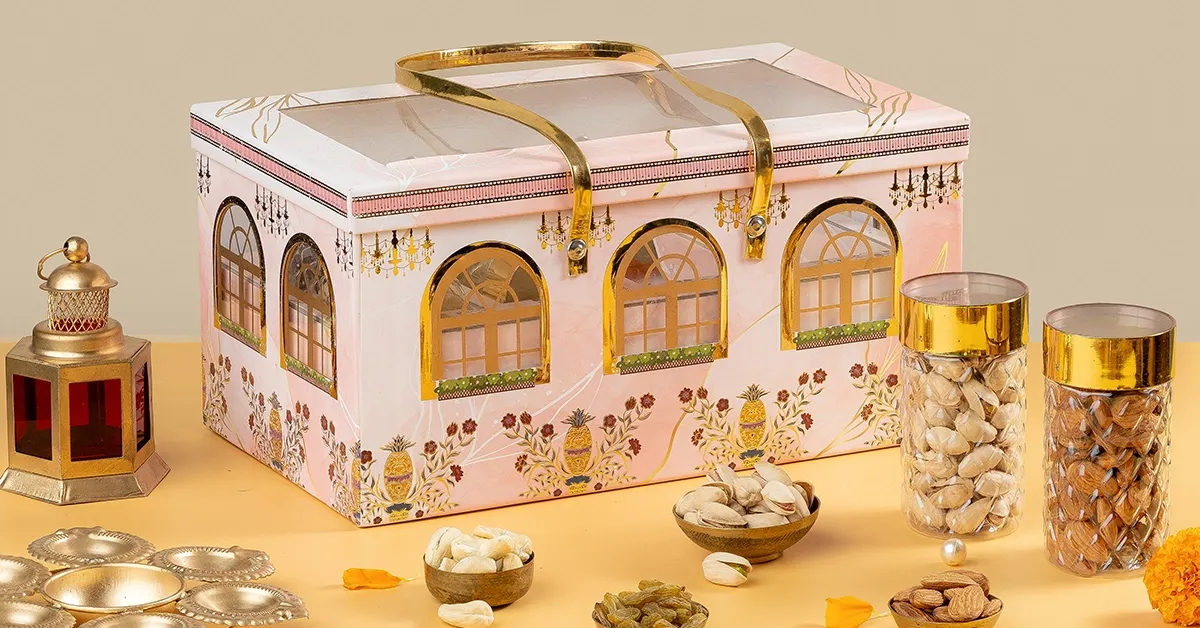
Buying the perfect assortment of Indian sweets online is simple once you know what to look for. You want a sweet box that combines variety, quality, and easy delivery options for any occasion. Many online sweet shops offer specially curated gift boxes featuring their most popular traditional sweets. Finding the ideal mithai box requires checking the product variety, the freshness commitment, and the delivery reach of the online seller. This process ensures your thoughtful gift arrives fresh and ready to be enjoyed by friends, employees, staff or family anywhere in India. We at Radhe PremNiMithaas simplify this gifting with our extensive product range of custom corporate gift boxes and nationwide shipping. How Do You Check the Quality of Online Mithai Assortments? Look closely at the ingredients and preparation methods listed on the website to check quality. We at Radhe Sweets commit to daily fresh preparation of all mithais. We only use pure ghee, fresh milk, and high-quality dry fruits in our recipes. Also check for a specified shelf life, which is typically 25 to 30 days for most products, also confirms freshness standards. For example, our signature range includes items like Kesar Mohanthal and Cow Milk Penda, made from authentic, time-honored recipes. Always choose a seller with these transparent quality commitments to guarantee delicious, fresh sweets. What Variety of Sweets Should an Assortment Box Offer? A great assortment box should feature a diverse mix of sweet categories to appeal to every taste. Look for a selection covering three main types of mithai: Indian Ghee Sweets, Traditional Specialties, and Premium Packed Sweets. Examples of traditional items include Motichoor Laddu and Balushahi. Premium packed options might feature exotic choices like Bombay Ice Halwa or Assorted Premium Baklava. Radhe Prem Ni Mithaas offers over 100 varieties, ensuring every gift box provides rich variety and choice. We also offer specialized custom corporate gift boxes with branding options for bulk orders during festivals or events. How Can You Order a Mithai Gift Box from Radhe PremNiMithaas? You can easily order a delightful mithai gift box by visiting our e-commerce website, premnimithaas.com. Browse our selection of sweet categories, including traditional sweets and premium collections. If you are specifically looking for assorted mithai gift boxes for corporate events, then check out our corporate gifting category. You will find multiple options. Add the desired assortment box to your cart and complete the purchase using a secure payment method. For custom bulk orders, give us a call to discuss your requirements.

How Sweets Turn Indian Festivals into Joyful Celebrations

How Sweets Turn Indian Festivals into Joyful Celebrations?

Sweets are woven into the fabric of Indian festivals in ways that go far beyond just tasting good. They represent joy, prosperity, and the bonds we share with loved ones. Without sweets, most major festivals feel incomplete. This is not just about tradition, sweets carry deep cultural meaning that makes celebrations truly memorable. In Indian culture, the art of making and sharing sweets dates back thousands of years. Ancient Sanskrit texts like the Rigveda mention the use of ghee, honey, and barley in sweet preparations. During the Mughal era, Persian influences brought milk-based desserts into Indian kitchens. Today, each region of India has developed its own unique sweets using local ingredients and techniques passed down through generations. Why Do Indian Festivals Rely on Sweets? Sweets hold a spiritual place in Indian festivals. In Hindu traditions, they are offered to deities as Prasad (blessed food) during religious ceremonies. Devotees receive these sweets as divine blessings after prayers. This practice ties spiritual connection directly to the act of sharing and eating sweets. Beyond religious significance, sweets symbolize good luck and prosperity. When families prepare and exchange sweets during festivals, they’re not just sharing food, they’re wishing each other happiness and success. This is why bringing a gift box of sweets when visiting someone’s home is considered a gesture of warmth and respect in Indian culture. Festival-Specific Sweet Traditions Different Indian festivals have their own special sweets. During Diwali, families make and exchange Kaju Katli, Laddoos, and Gulab Jamun. These treats represent the victory of light over darkness. Check out our wide range of diwali sweets. Holi celebrations include Gujiya (a flour-based sweet with a dry fruit filling) and Malpuas, which connect to the playful and colorful spirit of the festival. Eid brings sweets like Sewaiyan (vermicelli pudding) and Sheer Khurma, made with milk, dry fruits, and saffron. Ganesh Chaturthi features Modaks—coconut and jaggery dumplings that are believed to be Lord Ganesha’s favorite sweet. Even during Raksha Bandhan and Pongal, specific sweets are prepared to honor the occasion and strengthen family bonds. The Social and Emotional Connection Sweets create connections between people. When you offer someone a sweet during a festival, you’re creating a moment of shared joy. Families spend days preparing these delicacies together grinding flour, mixing ingredients, and cooking over low heat. This process itself becomes a bonding experience. The act of gifting sweets is deeply rooted in Indian hospitality. It says “you are important to us” without needing words. During festivals, people exchange sweets with neighbors, friends, and colleagues. This simple gesture helps build and strengthen community ties. How Sweets Enhance the Festive Mood? Sweets make celebrations feel special and intentional. The aroma of cardamom, saffron, and ghee filling a kitchen during festival season creates an atmosphere that no decoration alone can match. Tasting a favorite festival sweet connects us to childhood memories and family traditions. The sweetness itself carries symbolic meaning, it represents hope for a sweet future and good times ahead. This is why offering bitter or sour items during festivals is avoided. The entire sensory experience of eating festival sweets creates lasting emotional memories. Sweets Bring Tradition to Modern Celebrations Even as lifestyles change, sweets remain central to Indian festival celebrations. While some families buy ready-made sweets from shops, many still prepare them at home to maintain tradition. The effort and care put into homemade sweets make them more meaningful than store-bought alternatives. Regional sweets like Mysore Pak from Karnataka, Rasgulla from Bengal, and Shrikhand from Maharashtra represent local pride and cultural identity. These sweets tell stories of their regions and keep cultural heritage alive. Conclusion Sweets are far more than desserts in Indian festivals, they are expressions of love, spirituality, and community. They transform ordinary celebrations into joyful occasions that bring families and communities together. The next time you celebrate an Indian festival, pay attention to the sweetness not just in taste but in the relationships and traditions that make these celebrations truly special. That’s what makes sweets the real heart of Indian festival celebrations.

Famous Sweets of Gujarat

What are the Famous Sweets of Gujarat?

Gujarat has a sweet tooth like no other state in India. The region is known for its rich collection of desserts that blend tradition, innovation, and wholesome ingredients. These sweets are not just treats—they tell stories of Gujarat’s culture and centuries-old culinary wisdom. From street food stalls to family kitchens, Gujarati sweets hold a special place in people’s hearts. The foundation of Gujarati sweets relies on simple yet powerful ingredients. Gram flour (besan), ghee, jaggery, and milk form the base of most traditional desserts. Cardamom and saffron add aromatic depth, while almonds and pistachios provide texture and nutrition. This ingredient combination reflects what farmers and families in Gujarat have grown and used for generations. No matter where you are in India, you can always buy authentic sweets online from Prem Ni Mithaas to enjoy and celebrate gujarti flavors. List of Gujarati Sweets Here is the complete list sweets popular in Gujarat: Mohanthal Mohanthal stands as one of the most iconic Gujarati sweets. Made by roasting gram flour in ghee and mixing it with sugar and milk, Mohanthal has a fudge-like texture that melts in your mouth. The sweet is flavored with cardamom and saffron, then garnished with crushed nuts. During Diwali and other festivals, Mohanthal appears in almost every Gujarati household. Its rich, nutty flavor makes it a favorite across all age groups. Visit here to Buy kesar mohanthal online. Basundi Basundi is another beloved classic that shows off Gujarat’s dairy expertise. Milk is slowly thickened over hours until it reaches a condensed, creamy consistency. Sugar, cardamom, and saffron are added for flavor and aroma. Many families add nuts or pour it over rice to create a comforting dessert. Basundi represents comfort and warmth in Gujarati culture. Fafda-Jalebi Fafda-Jalebi is not just a sweet—it’s a cultural icon. Fafda is a crunchy snack made from gram flour dough that’s fried until golden. Jalebi is a bright orange spiral sweet soaked in sugar syrup. Together, they create the perfect balance of textures and tastes. This combination is eaten for breakfast, enjoyed as a snack, and served at celebrations. The contrast between the salty-spiced fafda and the sweet jalebi makes it irresistible to Gujaratis. Other Must-Try Gujarati Sweets Golpapdi, also called Gur Papdi, combines wheat flour and jaggery into thin, crispy sheets. The simplicity of this sweet hides its charm. Made by mixing wheat flour, ghee, and jaggery, then rolling and cutting into pieces, Golpapdi is quick to prepare yet deeply satisfying. Many Gujarati families make this during festivals. Shrikhand is a yogurt-based dessert with roots dating back to ancient times. Yogurt is hung in cloth to remove all water content, leaving thick cream called Chakka. Sugar, saffron, and milk are mixed into this base. The result is a creamy, slightly tangy sweet that pairs well with puri or bread. Shrikhand also appears in Maharashtrian and Rajasthani cuisines, but the Gujarati version holds its own distinct character. Sutarfeni is a unique sweet made from rice flour that’s roasted in ghee and formed into thin strands, creating a cotton candy-like texture. Topped with chopped pistachios and almonds, it offers a delicate, crispy eating experience that’s quite different from other Gujarati sweets. Doodh Pak is milk thickened with sugar and flavored with cardamom. It’s often mixed with nuts and dried fruits, creating a rich and satisfying dessert. Many families prepare this on special occasions because it requires patience and care—qualities that make it special. Conclusion These sweets connect generations. Grandmothers teach daughters and granddaughters how to roast gram flour to the perfect golden brown, how to judge when milk has thickened enough, and how to shape dough with just the right pressure. The recipes carry family secrets and regional variations that make each sweet unique. Gujarati sweets reflect a philosophy of using good ingredients cooked with love. They’re made for sharing during festivals, weddings, and everyday moments that matter. Try these sweets to understand why Gujarat’s sweet legacy remains strong across generations and continues winning hearts wherever it reaches.  

Spin the Wheel & Win Delicious Rewards!

Offer valid for Swagat Twin City High Street, Sargasan (Gandhinagar) outlet only.    
Try your Luck
Never
Remind later
No thanks