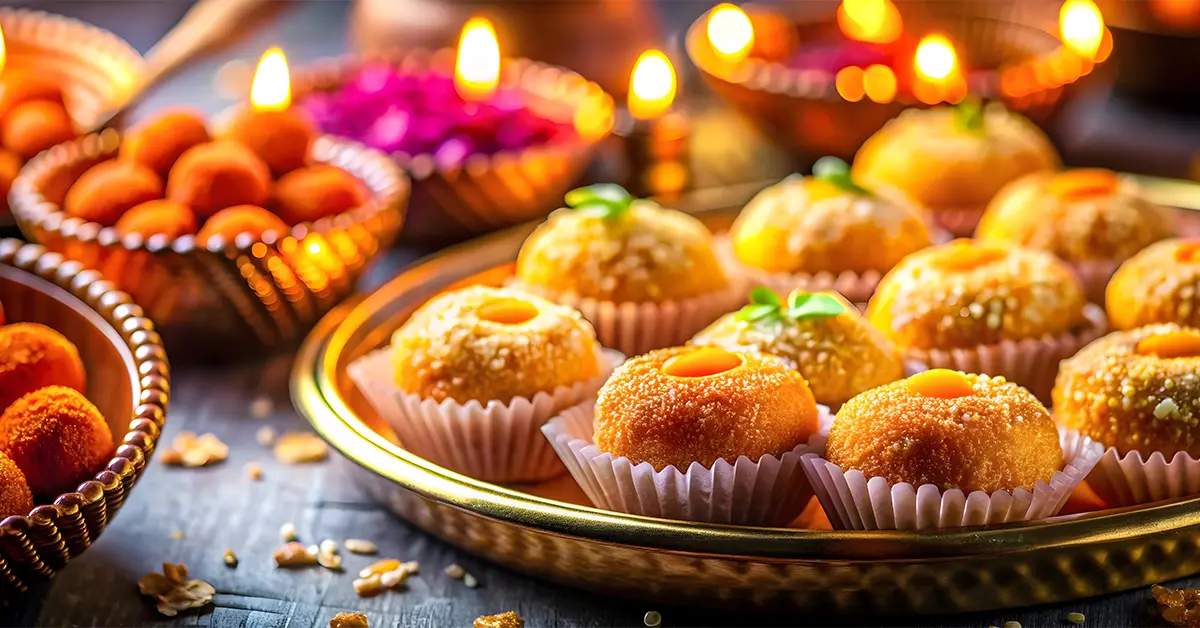
Sweets are woven into the fabric of Indian festivals in ways that go far beyond just tasting good. They represent joy, prosperity, and the bonds we share with loved ones. Without sweets, most major festivals feel incomplete. This is not just about tradition, sweets carry deep cultural meaning that makes celebrations truly memorable. In Indian culture, the art of making and sharing sweets dates back thousands of years. Ancient Sanskrit texts like the Rigveda mention the use of ghee, honey, and barley in sweet preparations. During the Mughal era, Persian influences brought milk-based desserts into Indian kitchens. Today, each region of India has developed its own unique sweets using local ingredients and techniques passed down through generations. Why Do Indian Festivals Rely on Sweets? Sweets hold a spiritual place in Indian festivals. In Hindu traditions, they are offered to deities as Prasad (blessed food) during religious ceremonies. Devotees receive these sweets as divine blessings after prayers. This practice ties spiritual connection directly to the act of sharing and eating sweets. Beyond religious significance, sweets symbolize good luck and prosperity. When families prepare and exchange sweets during festivals, they’re not just sharing food, they’re wishing each other happiness and success. This is why bringing a gift box of sweets when visiting someone’s home is considered a gesture of warmth and respect in Indian culture. Festival-Specific Sweet Traditions Different Indian festivals have their own special sweets. During Diwali, families make and exchange Kaju Katli, Laddoos, and Gulab Jamun. These treats represent the victory of light over darkness. Check out our wide range of diwali sweets. Holi celebrations include Gujiya (a flour-based sweet with a dry fruit filling) and Malpuas, which connect to the playful and colorful spirit of the festival. Eid brings sweets like Sewaiyan (vermicelli pudding) and Sheer Khurma, made with milk, dry fruits, and saffron. Ganesh Chaturthi features Modaks—coconut and jaggery dumplings that are believed to be Lord Ganesha’s favorite sweet. Even during Raksha Bandhan and Pongal, specific sweets are prepared to honor the occasion and strengthen family bonds. The Social and Emotional Connection Sweets create connections between people. When you offer someone a sweet during a festival, you’re creating a moment of shared joy. Families spend days preparing these delicacies together grinding flour, mixing ingredients, and cooking over low heat. This process itself becomes a bonding experience. The act of gifting sweets is deeply rooted in Indian hospitality. It says “you are important to us” without needing words. During festivals, people exchange sweets with neighbors, friends, and colleagues. This simple gesture helps build and strengthen community ties. How Sweets Enhance the Festive Mood? Sweets make celebrations feel special and intentional. The aroma of cardamom, saffron, and ghee filling a kitchen during festival season creates an atmosphere that no decoration alone can match. Tasting a favorite festival sweet connects us to childhood memories and family traditions. The sweetness itself carries symbolic meaning, it represents hope for a sweet future and good times ahead. This is why offering bitter or sour items during festivals is avoided. The entire sensory experience of eating festival sweets creates lasting emotional memories. Sweets Bring Tradition to Modern Celebrations Even as lifestyles change, sweets remain central to Indian festival celebrations. While some families buy ready-made sweets from shops, many still prepare them at home to maintain tradition. The effort and care put into homemade sweets make them more meaningful than store-bought alternatives. Regional sweets like Mysore Pak from Karnataka, Rasgulla from Bengal, and Shrikhand from Maharashtra represent local pride and cultural identity. These sweets tell stories of their regions and keep cultural heritage alive. Conclusion Sweets are far more than desserts in Indian festivals, they are expressions of love, spirituality, and community. They transform ordinary celebrations into joyful occasions that bring families and communities together. The next time you celebrate an Indian festival, pay attention to the sweetness not just in taste but in the relationships and traditions that make these celebrations truly special. That’s what makes sweets the real heart of Indian festival celebrations.