


Poila Boishakh — the Bengali New Year — is one of India’s most food-rich festivals. Discover the sweets and mithai traditions that make this April celebration so special.
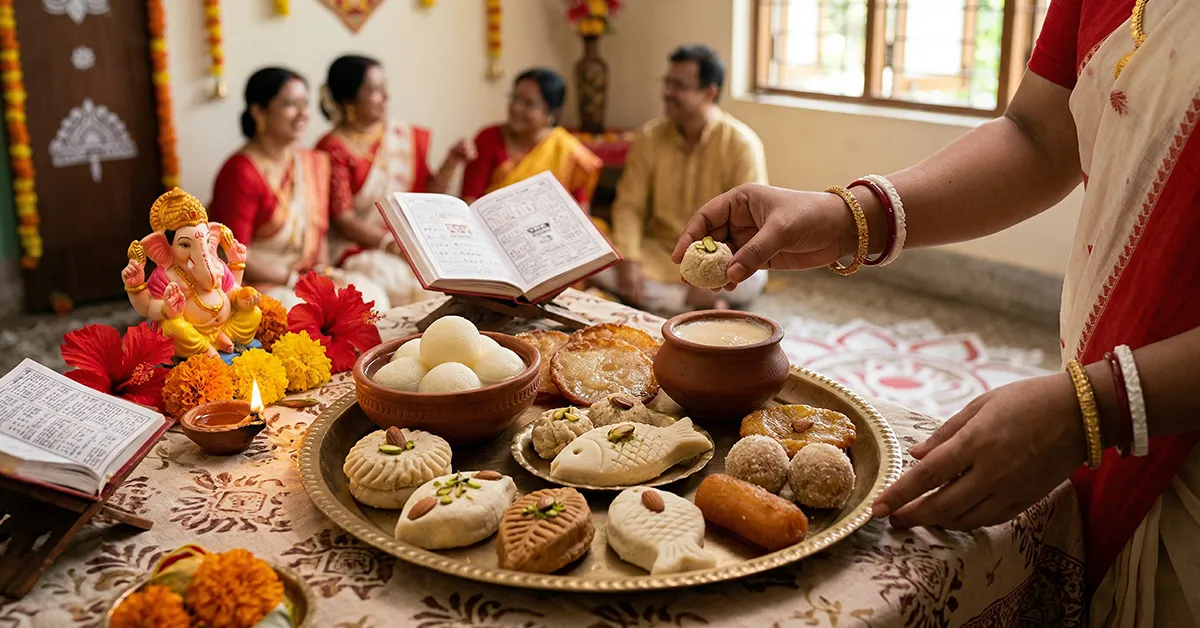

Poila Boishakh — the Bengali New Year — is one of India’s most food-rich festivals. Discover the sweets and mithai traditions that make this April celebration so special.
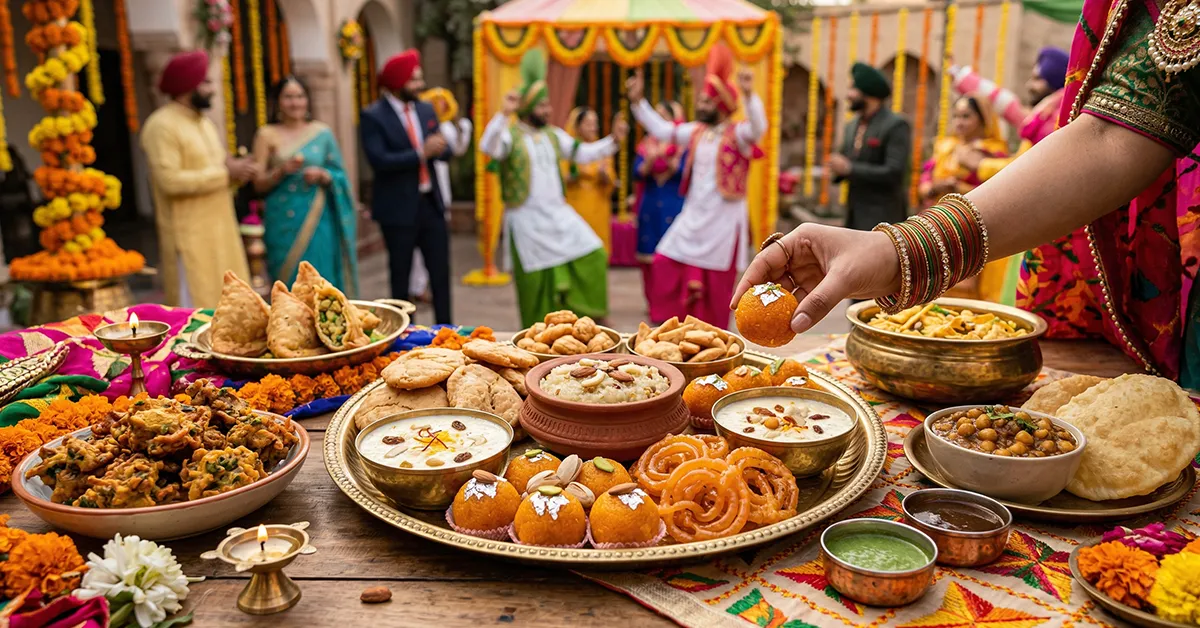
Baisakhi is India’s great harvest celebration. Discover the sweets, snacks, and food traditions that make this April festival so joyful and delicious.
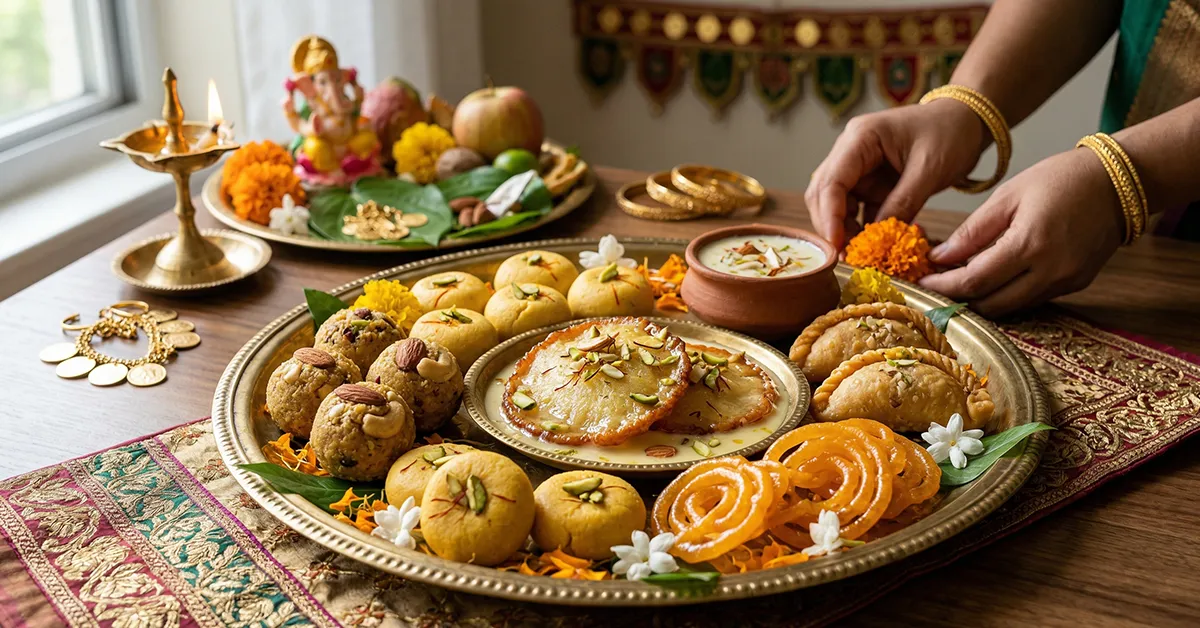
Akshaya Tritiya sweets always enhance the celebration of this pious festival along with gold purchases, temple rituals, and the belief in everlasting prosperity and good fortune. Every year in late April, something quietly amazing happens all over India. Jewelry stores open before the sun comes up. Families dress up in their best clothes to go to temples. People buy gold, even in small amounts, because everyone believes that whatever they get on this day will grow. Akshaya Tritiya is one of the most important days in the Hindu calendar. It is a festival based on the idea of beginnings that never fade. Gold may get all the attention, but mithai is the other important thing to buy that day. It’s the sweet that goes with gold at every Indian celebration. This guide looks at why sweets are such an important part of Akshaya Tritiya and which Indian sweets best capture the spirit of this special day. What is Akshaya Tritiya? Akshaya Tritiya, also called Akha Teej falls on the third day (Tritiya) of the bright half of the month of Vaishakha. “Akshaya” means imperishable or that which never diminishes. The day is considered one of the most auspicious in the Hindu calendar, along with Dussehra and Diwali, because no muhurat is required. The entire day is inherently auspicious for beginning new ventures, making investments, getting married, and performing charitable acts. The festival is widely celebrated across Maharashtra, Gujarat, Rajasthan, and the rest of India. In Gujarat and Rajasthan in particular, Akha Teej is one of the most important occasions of the year. A day when weddings are solemnised without consulting a pandit, when new businesses are launched, and when gold is purchased as an investment in the family’s future prosperity. Why Gold and Mithai Go Together on Akshaya Tritiya? In Indian tradition, any act of acquiring something precious is accompanied by sweetness. When a new home is purchased, when a child is born, when a business deal is sealed, sweets are distributed. The underlying belief is that sweetness invites more sweetness, that beginning something auspicious with mithai sets the tone for what follows. On Akshaya Tritiya, the logic is even more compelling. If the day itself promises that what you begin will only grow, then celebrating that beginning with the sharing of sweets is a natural expression of gratitude and joy. Sweet shops across India report some of their highest single-day sales on Akha Teej as families buying mithai for the puja, to distribute to neighbours, and to gift to relatives. The Best Sweets for Akshaya Tritiya Kaju Katli is one of the best choices for Akshaya Tritiya gifting. Its silver foil surface, diamond shape, and association with prosperity and premium gifting make it the most symbolically appropriate sweet for a day centred on wealth, growth, and new beginnings. A box of freshly made kaju katli — silky, cashew-rich, and not too sweet — is a gift that communicates both thoughtfulness and generosity. Mohanthal holds prominent significance in Gujarat, where Akha Teej is celebrated with great fervour. This rich besan and ghee barfi, flavoured with cardamom and saffron, is made in homes and offered as prasad on this day. Purchasing a box of good mohanthal for Akshaya Tritiya is a deeply rooted Gujarati tradition. Buy Kesar Mohanthal for this very special festive celebration from Radhe Prem Ni Mithaas. Dry Fruit Ladoos made from dates, figs, almonds, and cashews are ideal for Akshaya Tritiya because they represent abundance and nourishment. These naturally sweetened ladoos are both festive and appropriate for those who prefer lighter, less sugar-heavy mithai during the warm April weather. Peda is traditionally offered to deities in temples on auspicious days, and Akshaya Tritiya sees significant peda distribution as prasad across India. Kesar peda with its warm saffron colour and faintly caramelised milk sweetness is especially appropriate for this festival. Panjeeri or Sattu Ladoos, made from roasted flour, ghee, and jaggery, are prepared in some Northern Indian households on Akshaya Tritiya and offered to Goddess Lakshmi along with puja items. These wholesome, traditional sweets carry a deeper cultural significance beyond their flavour. Akshaya Tritiya Gifting: Who to Gift and What to Choose Akshaya Tritiya has become one of India’s most significant gifting occasions. Beyond gold, sweet hampers are increasingly popular as gifts for business partners, clients, and family members. A beautifully presented box of premium Indian sweets alongside a small pack of mukhwas creates a complete festive hamper that feels both thoughtful and culturally rooted. For corporate Akshaya Tritiya gifting, choose sweets with a clean presentation and a longer shelf life. The day falls in late April when temperatures are rising dry sweets and nut-based mithai hold up better than khoya-based ones in warm weather, and they present well in elegant boxes suitable for professional gifting. Check out our range of Corporate Gift Boxes and Hampers perfect for Akshaya Tritiya. A Day for Beginning Well Akshaya Tritiya is, at its heart, an invitation to begin things that are meant to last. A new investment, a new relationship, a new chapter. And in India, every beginning worth celebrating is sweetened because we believe, that joy shared is joy multiplied. This Akshaya Tritiya, celebrate your day with premium sweets from Radhe Prem Ni Mithaas.
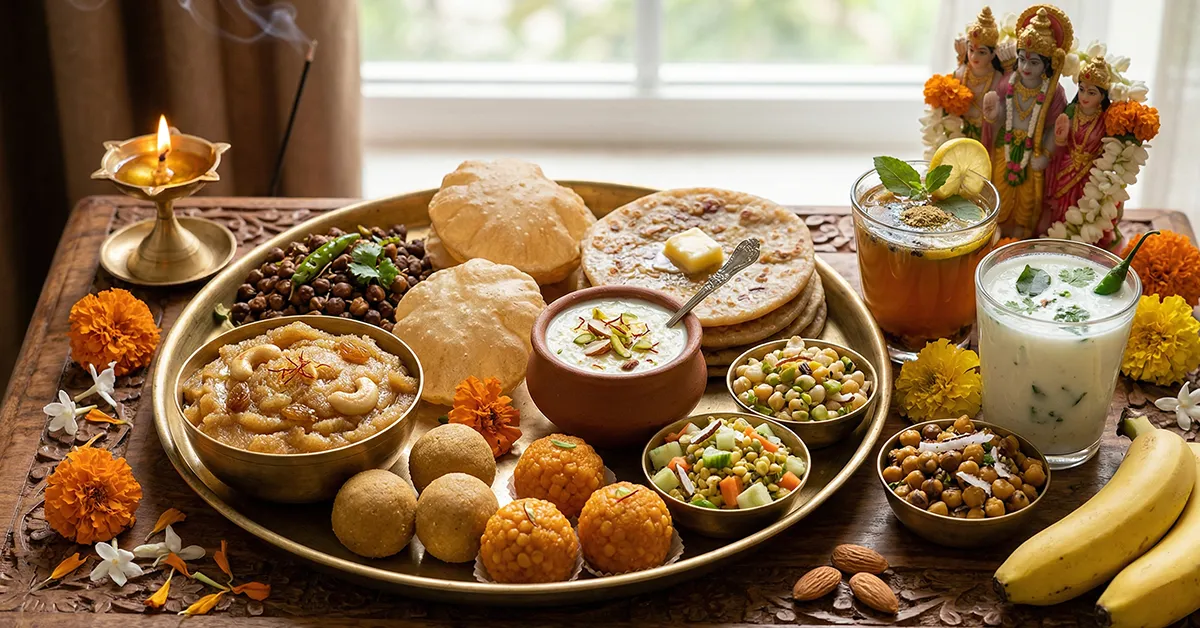
Ram Navami is a time for devotion, family, and the sweetness of tradition. Discover which sweets to offer as prasad, share with loved ones, and gift this festival season.
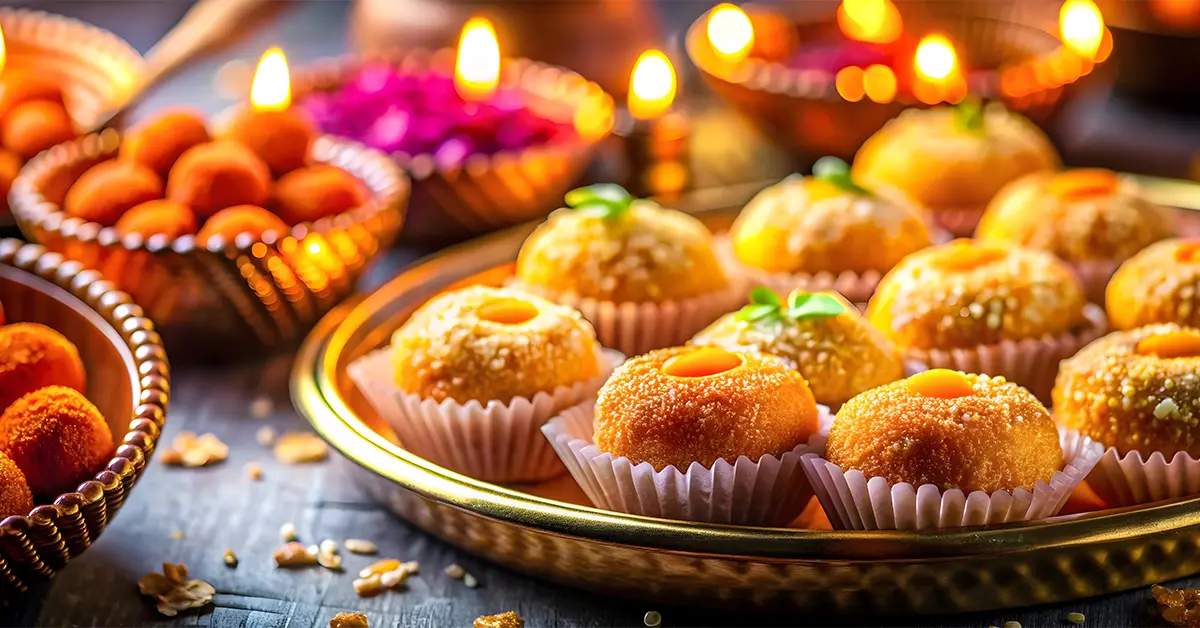
Sweets are woven into the fabric of Indian festivals in ways that go far beyond just tasting good. They represent joy, prosperity, and the bonds we share with loved ones. Without sweets, most major festivals feel incomplete. This is not just about tradition, sweets carry deep cultural meaning that makes celebrations truly memorable. In Indian culture, the art of making and sharing sweets dates back thousands of years. Ancient Sanskrit texts like the Rigveda mention the use of ghee, honey, and barley in sweet preparations. During the Mughal era, Persian influences brought milk-based desserts into Indian kitchens. Today, each region of India has developed its own unique sweets using local ingredients and techniques passed down through generations. Why Do Indian Festivals Rely on Sweets? Sweets hold a spiritual place in Indian festivals. In Hindu traditions, they are offered to deities as Prasad (blessed food) during religious ceremonies. Devotees receive these sweets as divine blessings after prayers. This practice ties spiritual connection directly to the act of sharing and eating sweets. Beyond religious significance, sweets symbolize good luck and prosperity. When families prepare and exchange sweets during festivals, they’re not just sharing food, they’re wishing each other happiness and success. This is why bringing a gift box of sweets when visiting someone’s home is considered a gesture of warmth and respect in Indian culture. Festival-Specific Sweet Traditions Different Indian festivals have their own special sweets. During Diwali, families make and exchange Kaju Katli, Laddoos, and Gulab Jamun. These treats represent the victory of light over darkness. Check out our wide range of diwali sweets. Holi celebrations include Gujiya (a flour-based sweet with a dry fruit filling) and Malpuas, which connect to the playful and colorful spirit of the festival. Eid brings sweets like Sewaiyan (vermicelli pudding) and Sheer Khurma, made with milk, dry fruits, and saffron. Ganesh Chaturthi features Modaks—coconut and jaggery dumplings that are believed to be Lord Ganesha’s favorite sweet. Even during Raksha Bandhan and Pongal, specific sweets are prepared to honor the occasion and strengthen family bonds. The Social and Emotional Connection Sweets create connections between people. When you offer someone a sweet during a festival, you’re creating a moment of shared joy. Families spend days preparing these delicacies together grinding flour, mixing ingredients, and cooking over low heat. This process itself becomes a bonding experience. The act of gifting sweets is deeply rooted in Indian hospitality. It says “you are important to us” without needing words. During festivals, people exchange sweets with neighbors, friends, and colleagues. This simple gesture helps build and strengthen community ties. How Sweets Enhance the Festive Mood? Sweets make celebrations feel special and intentional. The aroma of cardamom, saffron, and ghee filling a kitchen during festival season creates an atmosphere that no decoration alone can match. Tasting a favorite festival sweet connects us to childhood memories and family traditions. The sweetness itself carries symbolic meaning, it represents hope for a sweet future and good times ahead. This is why offering bitter or sour items during festivals is avoided. The entire sensory experience of eating festival sweets creates lasting emotional memories. Sweets Bring Tradition to Modern Celebrations Even as lifestyles change, sweets remain central to Indian festival celebrations. While some families buy ready-made sweets from shops, many still prepare them at home to maintain tradition. The effort and care put into homemade sweets make them more meaningful than store-bought alternatives. Regional sweets like Mysore Pak from Karnataka, Rasgulla from Bengal, and Shrikhand from Maharashtra represent local pride and cultural identity. These sweets tell stories of their regions and keep cultural heritage alive. Conclusion Sweets are far more than desserts in Indian festivals, they are expressions of love, spirituality, and community. They transform ordinary celebrations into joyful occasions that bring families and communities together. The next time you celebrate an Indian festival, pay attention to the sweetness not just in taste but in the relationships and traditions that make these celebrations truly special. That’s what makes sweets the real heart of Indian festival celebrations.